 Otiato Guguyu
Paul Ogudah and I are in the same cohort of Kisumu residents who recently returned to city in Nyanza from the capital Nairobi, having left it after campus just a decade prior.
We had both been to Maseno University, but the campus on the precincts of Kisumu city only trained graduates for the capital as we moved to Nairobi, where more than half of the economy was generated.
But with the sluggish economy in Nairobi, Kenyans have been forced to retreat from the capital city to satellite towns a concept called reverse migration that is projected to help drive up Kisumu’s population to 1.3 million by next year.
Kisumu’s population has been growing almost 20 percent over the last four years with the majority, approximately 600,000, currently living within the city, where they are met with limited opportunity, with an unemployment rate of up to 30 percent in the third-largest city in Kenya, with access by road, rail, air, and water.
Both of us have gone on to settle in our respective training fields of tech and media, as we joined this flow of new Kisumu residents, offering the value of bringing what we had learned from outside, even as we sought opportunities in unexplored Greenfields.
I was under no illusions that the city would just open up like an oyster at our arrival, but felt the tremor of transformation around the urgency for concrete to creep up around gentrifying the bush I had found. This was the resilience of the economy the central bank kept talking about, a commitment to investment in the future, beyond the constraints of economic cycles.
Read also: Lakehub seeks long term lease in county partnership, as first cohort graduate
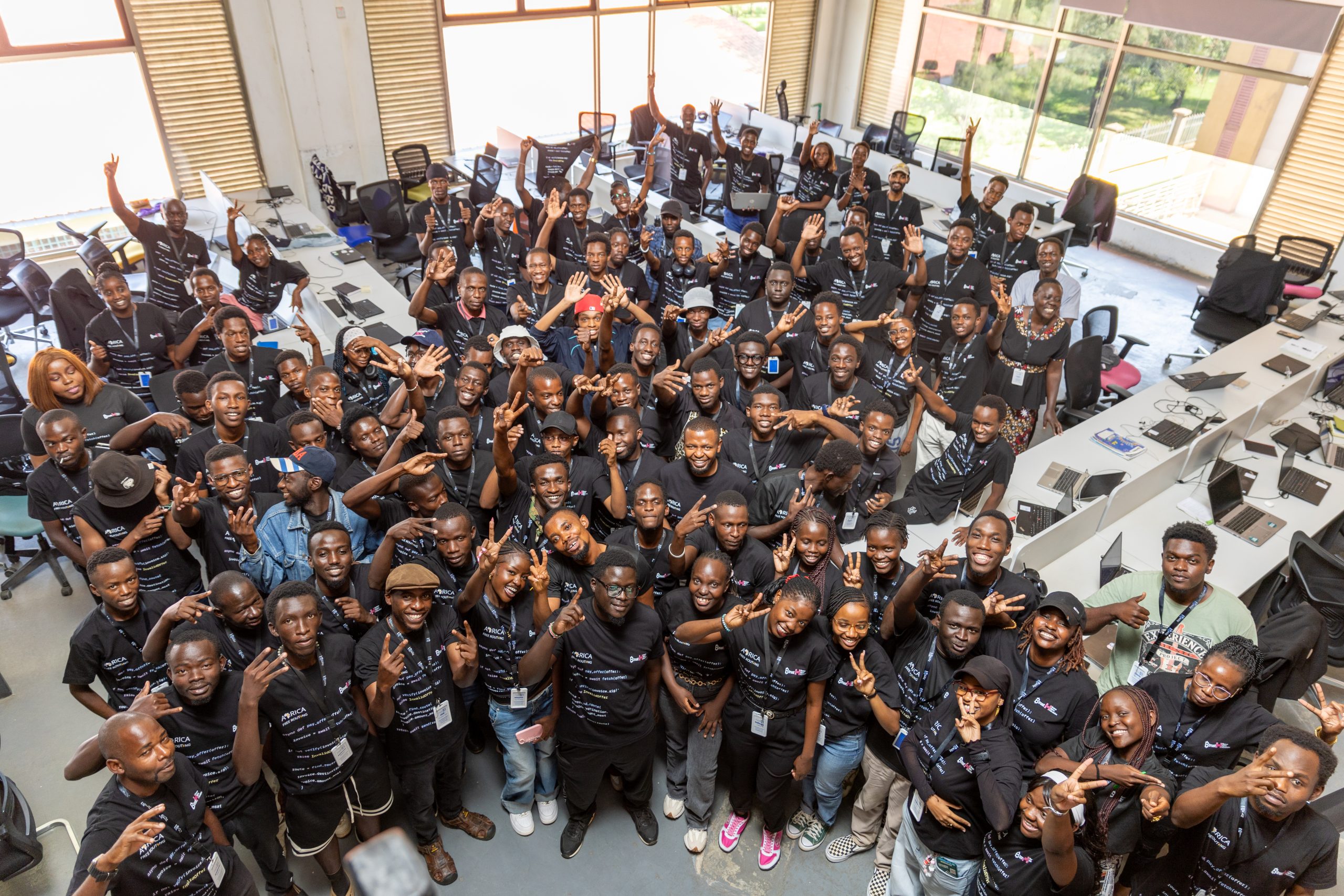
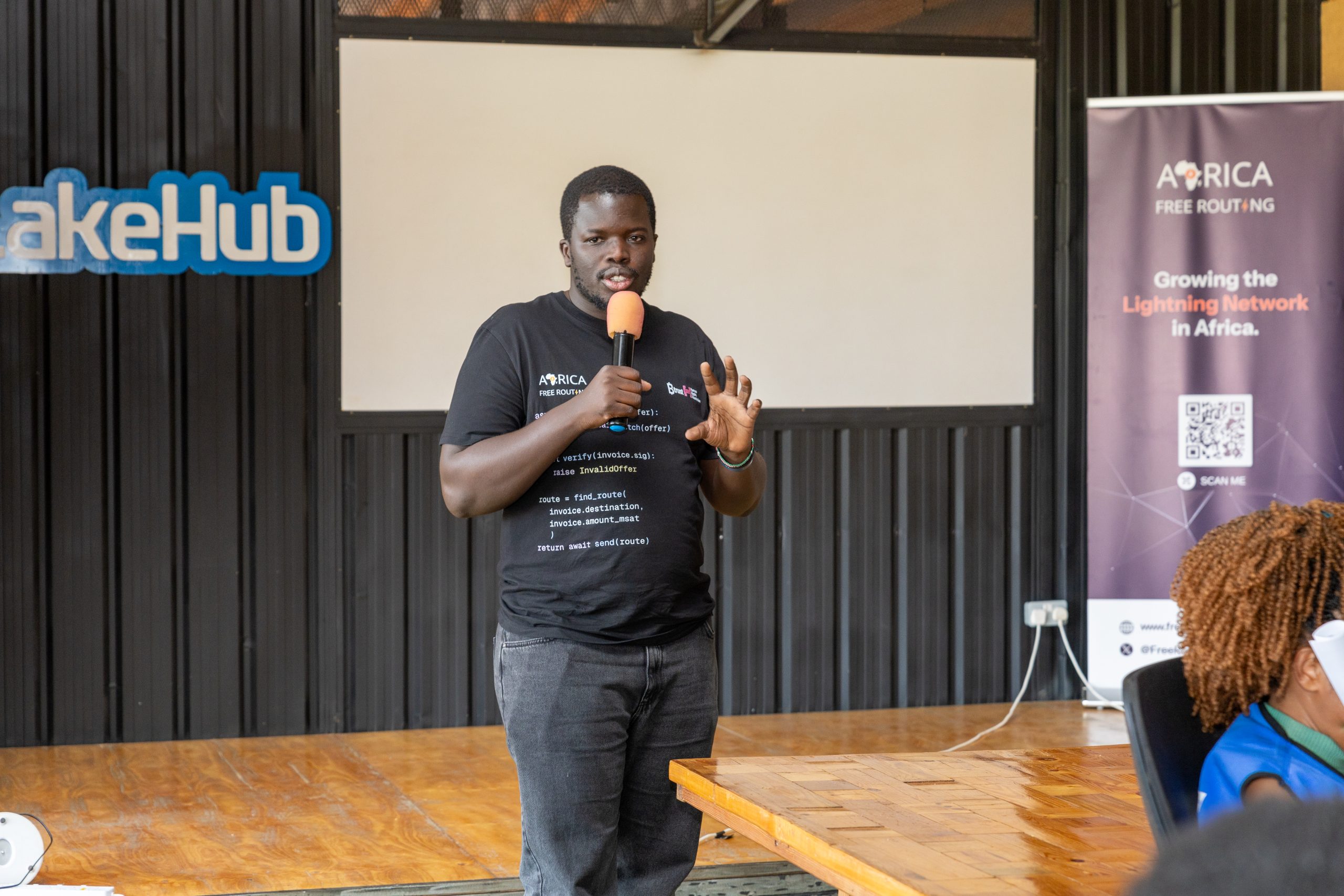
Just like the capital was committed to investment regardless of the short-term outcome, the growing masses of youth flowing into Kisumu have been determined to find an outlet for their talents and when Africa Free Routing chose to host its Lightning Developer Bootcamp here, they were awarded with the largest number of cohorts it has ever scored on the continent.
Kisumu beat larger cities including our very own capital Nairobi (35), neighboring Kampala (26), Johannesburg (60) and Cape Town (27). Kisumu also beat Lusaka, Bujumbura, Kaduna, Uyo and Ouagadougou.
“This has been the best lightning bootcamp we have had, we have gone to different countries and different cities and I would say this is the biggest in terms of the numbers we have had. We literally had just short of a hundred developers who showed up here to learn, and consistently over the whole week,” Megaslay Africa Free Routing GM said.
The choice of Kisumu was not random. Paul Ogudah Head of Tech at Zone 01 Kisumu is credited for bringing it home.
His conviction that Kisumu has the talent and hunger to produce revolutionary developments in the new world of Bitcoin made him work towards bringing the continental hackathon to the city to show what our developers could do when given the chance.
Using his contacts with colleagues at Bitrust, they worked to set up the training in Kisumu in the follow-up to a similar four-day bootcamp that was held in Nairobi back in 2024.
Digital world
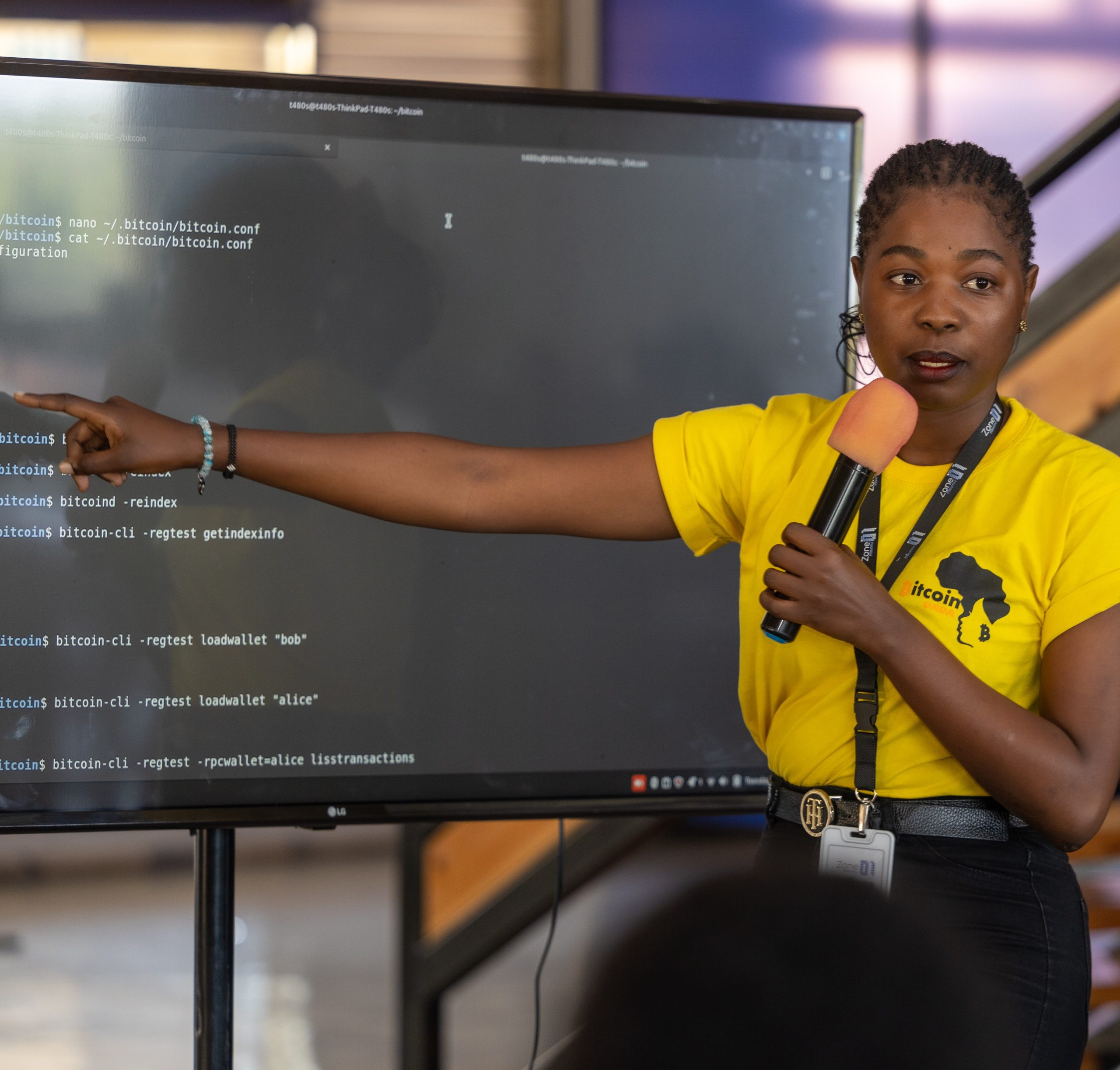
I learned about the week-long training when Oguda called and introduced me to Megaslay who would be organising the training. It would be conducted by Simon Njeru, Software Developer and Co-Founder, BitDevs Nairobi which leads a growing community of developers by organizing meetups focused on Bitcoin and Lightning.
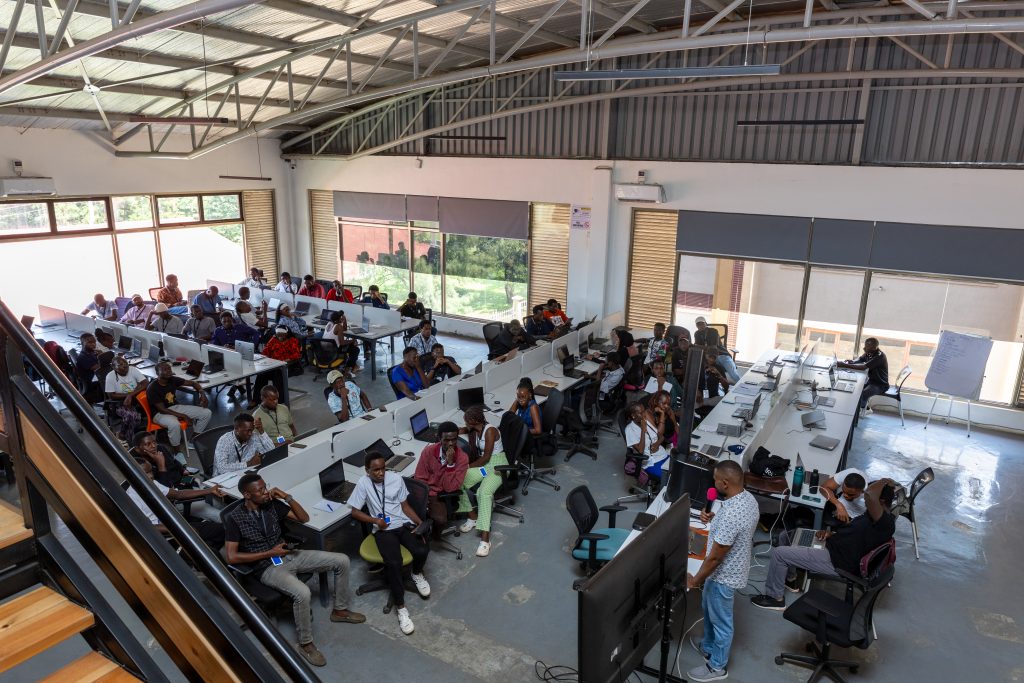
In the world of technology, we could converse via WhatsApp, haggle and contract between Kenya and Nigeria and within days we were sitting in a class at Zone 01 learning about Bitcoin while helping Africa Free Routing to document and tell the story of their experience in Kisumu.
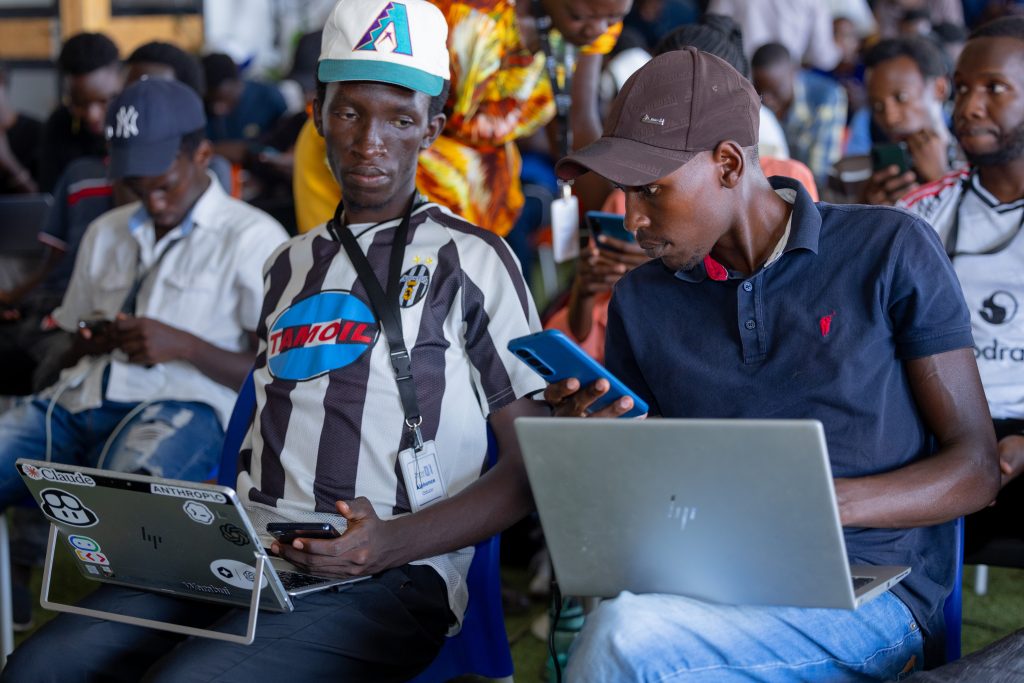
It was fascinating how in a matter of days, these mostly young boys and girls could adapt to a new programming language, learn to code in it, and apply it into everyday life situations as they formed teams to build the next big ideas.
Most of them sought to solve the trust problem in society with Bitcoin, which was offered a decentralized medium of exchange secured on a blockchain. They built platforms where consumers could put their money in suspended escrow accounts while goods are traded and shipped across the country only settling once the buyer and seller approve.
Some sought to build trust systems around community projects where contracting, project implementation, monitoring and evaluation can be done online with verifiable blockchains.
But the winning idea came from a digital market-focused solution that would disincentivize spam messaging by charging those who send the spam mail with bitcoin tokens, making it more expensive to send those dozens of emails.
Given the constant reminder by Alphabet that they now want to charge for the meagre space on their Google emails, and the growing competition of subscription websites chasing direct marketing, I would not be surprised if this solution found fertile ground.
For the students, the discovery of what could be done with a Bitcoin wallet, the novelty of pioneering a new financial system with unrestricted access and potential was almost spell-casting.
Before the end of the training, some of them had taken the name of Satoshi as their usernames for the public quick-fire question competition that the class played on an online platform and earned prizes in bitcoin.
Doubts
But I was skeptical as I have been about Bitcoin all along. The inevitability of this cult of Satoshi who miraculously writes a white paper right after the 2008 financial crisis that offers an alternative for the dollar, followed by trillions of investment into building the infrastructure for it, is too coincidental.
Money is control and as such is political. So the fantasy of decentralized money felt more like a marketing ploy than the final outcome of what programmable digital money will become.
So I raised my hands and asked a question, the first time I have ever let my camera down and joined my subjects. What did they think of the Central Bank Digital Currency, which was based on similar technology but came with the backing of ‘trusted’ state-backed central banks?
Megaslay insisted that in as much as CBDC was inconsistent with the Bitcoin central philosophy of decentralization it will not be able to compete with Bitcoin. He gave us an example of Nigeria’s attempt to bring their CBDC into the market and the challenges they authorities faced there as compared to the growing use of Bitcoin.
He had a valid point: Bitcoin had been in vogue for a long time now, it had acquired validity despite the many cycles of boom and bust a tool for speculation, and continues to assure its adopters of future security and value and would be fool hardly to dismiss.
To score his point, he in fact paid us for our services later from Nigeria from a Bitcoin platform to our mobile money which demonstrates the level of interoperability that the Bitcoin ecosystem has built around itself over the years.
I know Bitcoin is here to stay, yet I remain skeptical because inherently it is drawing us more fervently into ideas of liberal freedom while the infrastructure for its future is sitting in controlled public-private conglomerates like central banks and multilateral investment behemoths.

Discover more from Orals East Africa
Subscribe to get the latest posts sent to your email.