
 Otiato Guguyu
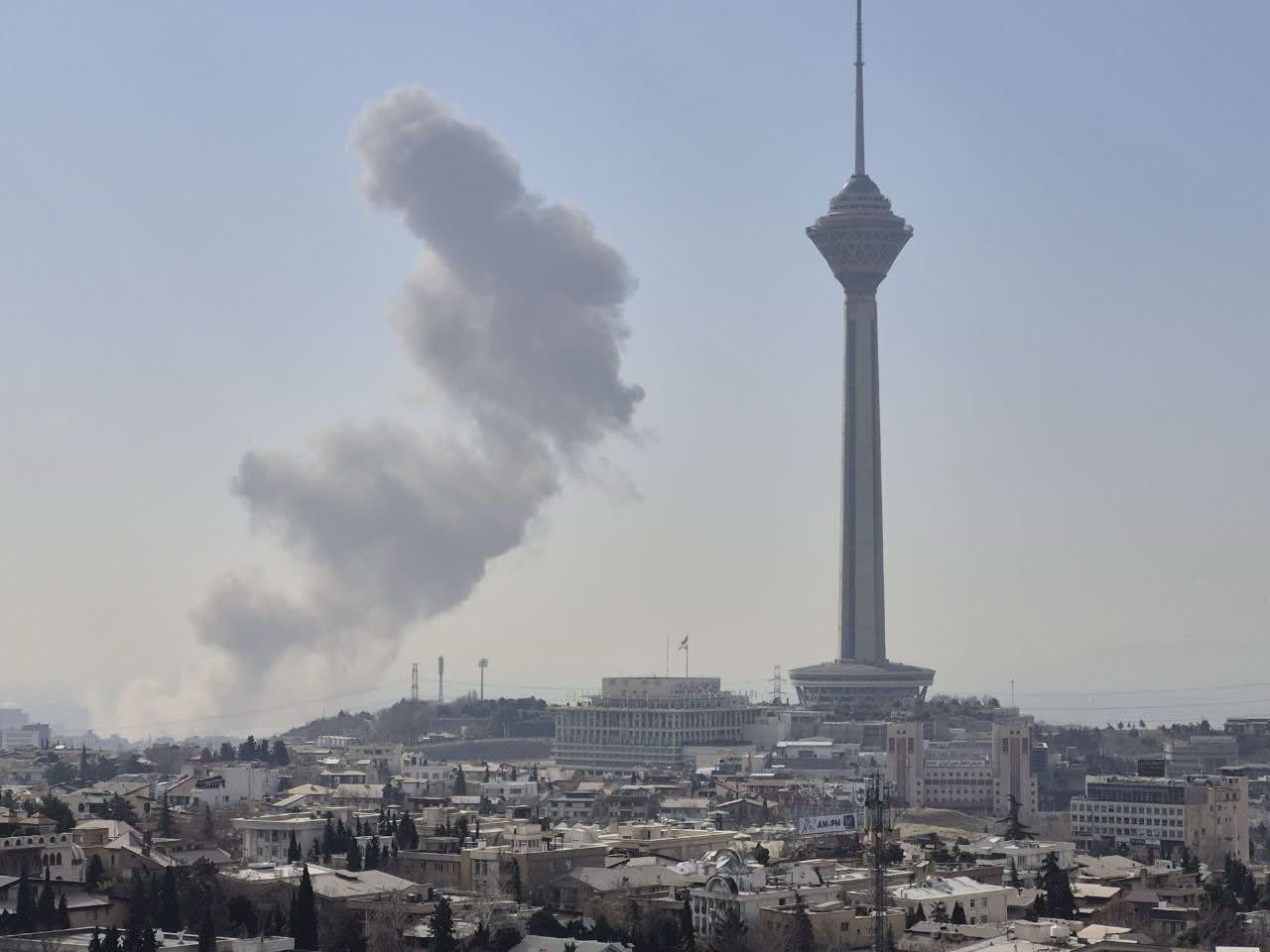
Kenya is betting on the long rains to calm the rise in food prices, despite the US-Israeli war on Iran, blocking more than a quarter of expected fertilizer imports.
Central Bank of Kenya Governor Dr Kamau Thugge said that Kenya had already imported enough fertilizer to meet local demand, and that the disruptions from the Middle East may only affect production next year, if the conflict is not resolved soon.
Kenya imported a total of 834,000 metric tonnes of fertilizer in 2024, with about 26 percent of its seaborne cargo originating from or passing through the Gulf region, placing it among the world’s top ten countries most reliant on this route.
The fertilizer from this region is predominantly urea, followed by DAP and MAP, with the crisis in the Strait of Hormuz already sending shockwaves through global markets, pushing up prices for urea nearly 40 percent.
Read also: How the US Israel war against Iran may hit Kenya’s redoubt
“We do not see much impact on the agriculture sector right now, most fertilizer is already imported, we do not see fertilizer shock having an impact this year. If the conflict in the Middle East is sustained, the situation can arise in 2027,” Dr Thugge said during his MPC press briefing, where CBK paused rate cuts in response to the war.
“In fact, our expectations as fuel prices and transport prices go up is that MAM rains will support inflation; we expect food inflation to come down, as I explained, cabbages, skuma wiki, and tomatoes were impacting inflation, but the good rains we expect to experience will support in offsetting pressures from inflation,” he said.
Kenya’s overall inflation stood at 4.4 percent in March 2026 compared to 4.3 percent in February, but food prices were already moving up even before the war.
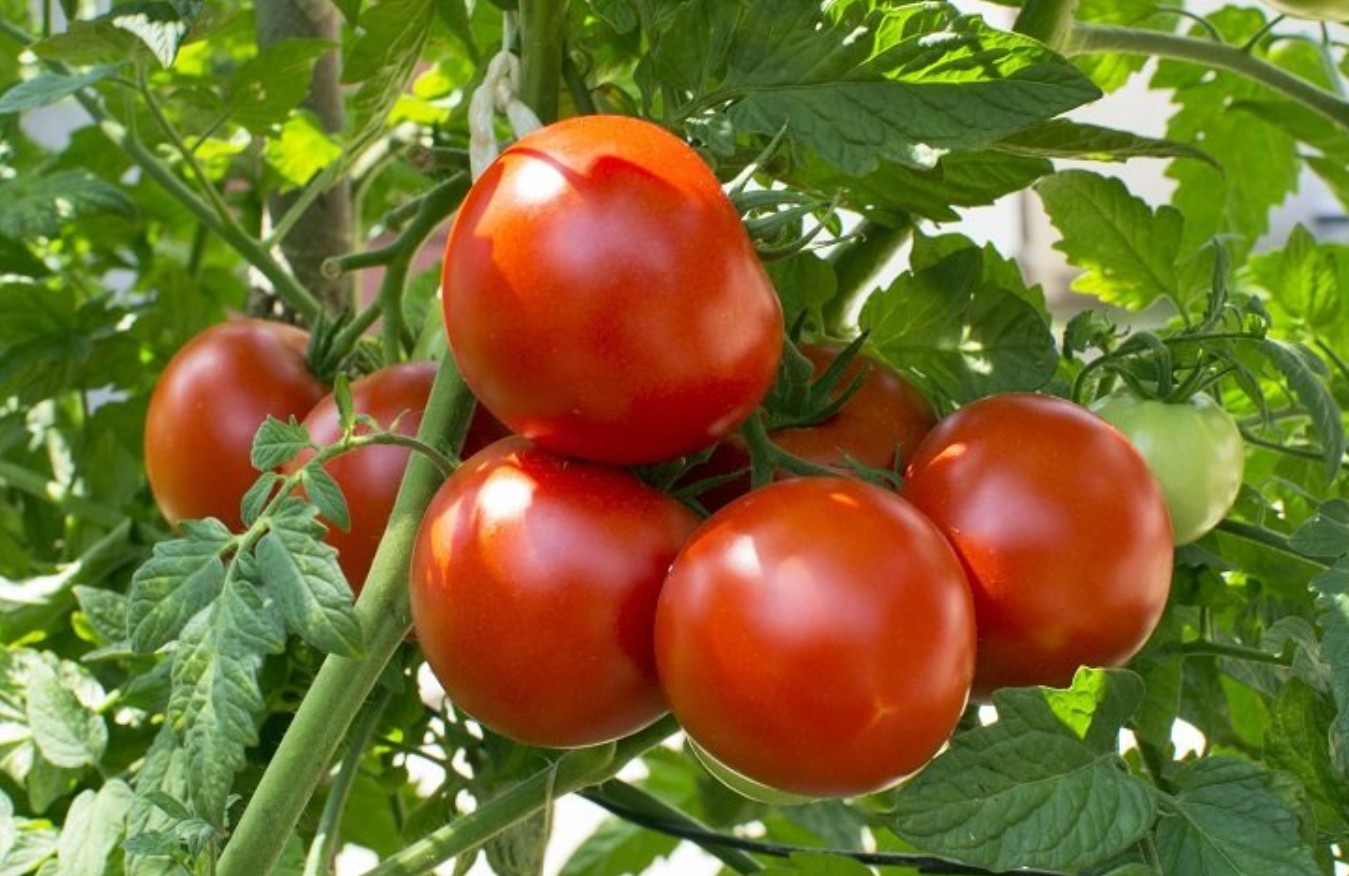
According to CBK data, non-core inflation increased to 10.8 percent in March from 10.1 percent in February, mainly driven by higher prices of some vegetables, particularly tomatoes and Irish potatoes.
Despite expected upward pressure from higher energy prices, overall inflation is expected to remain within the target range in the near term, supported by appropriate monetary policy actions, expected stability in food prices attributed to favourable weather conditions, and a broadly stable exchange rate.
CBK is betting on its rosy prediction even as it admits that “global inflation is expected to increase in 2026 on account of higher energy prices and fertiliser costs attributed to the supply disruptions from the conflict’.
Kenya is also experiencing acute shortages of subsidized fertilizer at National Cereals and Produce Board (NCPB) depots, especially in the North Rift region, causing panic among farmers during the early planting season.
Low-cost fertilizer provided by the state has been unavailable at NCPB stores, forcing farmers to delay planting and risking throwing Kenya, a net food importer, into a tailspin.

Discover more from Orals East Africa
Subscribe to get the latest posts sent to your email.