 Otiato Guguyu
The world is being split into hemispheres of control, tearing at the limbs of East Africa as the rest of the world fights for supply chains and secure access of vital minerals for manufacturing munitions, tech and energy.
Post American international order is triggering a flurry of bilateral deals that has seen the heads of East Africa’s nations with access to sea ports, seek to secure trade in the fractured markets.
After a bidding war for Nigeria’s Aliko Dangote’s coveted oil refinery the race of East Africa littoral states Kenya and Tanzania turns geopolitical.
Read also: CBK does not see Iran-war fertilizer shock, changing rosy outlook
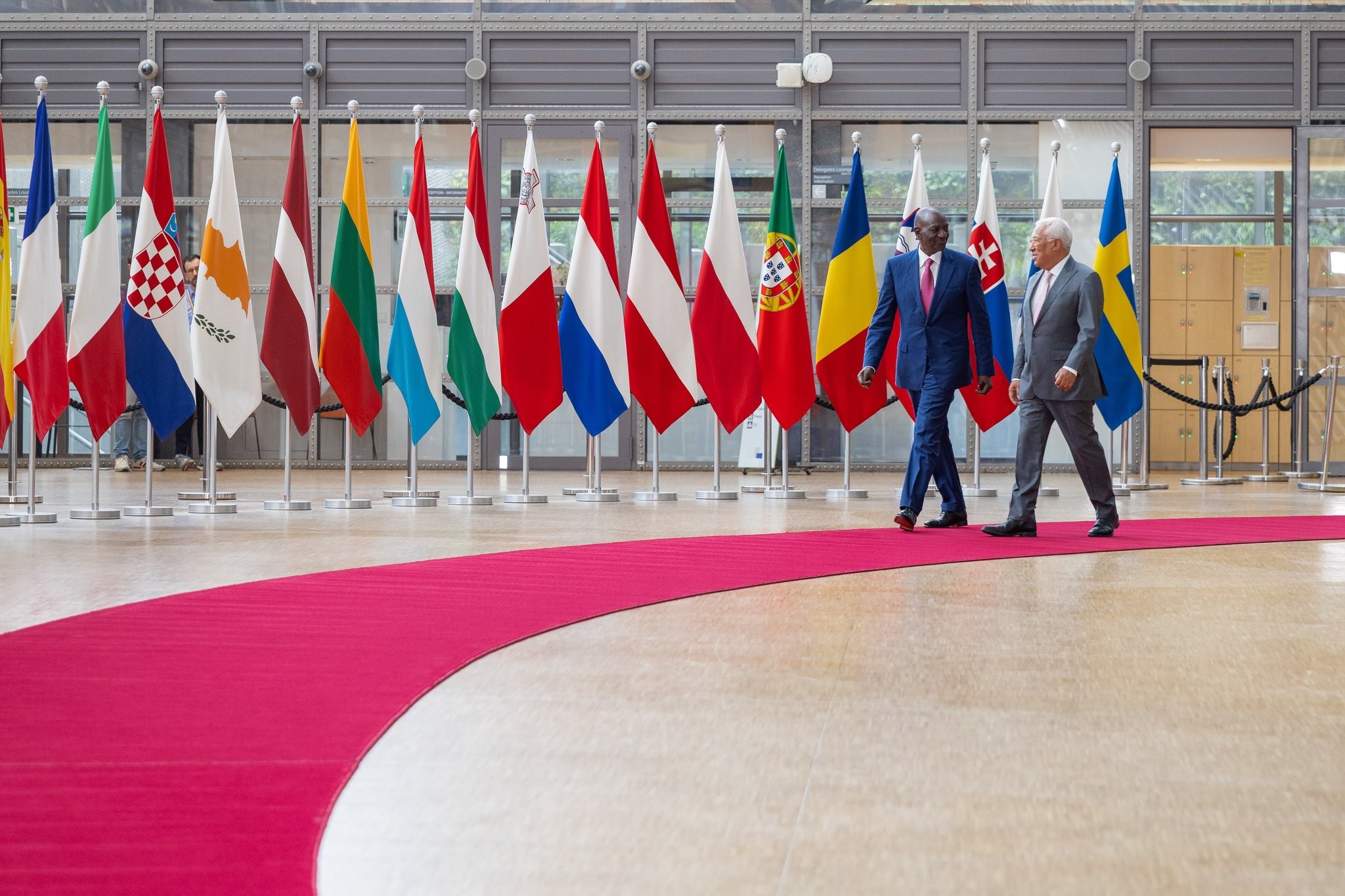
Kenya’s President visited South Africa and is now headed to Europe in Norway and Finland seeking to secure the country’s status as the primary node of entry into East Africa.
Jibran Qureishi head of Africa research at Standard Bank Group says the South African trip is a crucial trip to highlight Kenya ambitions to dominate East Africa’s corridors with a $39 billion investment in infrastructure to consolidate access to the regional market.
“South Africa and Kenya are anchor democracies and anchor markets for Southern and East Africa. For companies building regional value chains, that matters. For institutional investors looking at continental deployment, it matters even more. In an emerging multipolar era, strengthening bilateral diplomatic, economic and trade ties will ensure economic prosperity for both nations,” Mr Qureishi said.
The trip to Europe will mirror this retinue targeting to secure supply chains for flowers, horticulture, coffee and tea exports against EU’s growing clean energy bureaucracy that has imposed additional compliance costs for environmental, pesticide use and plant health standards.
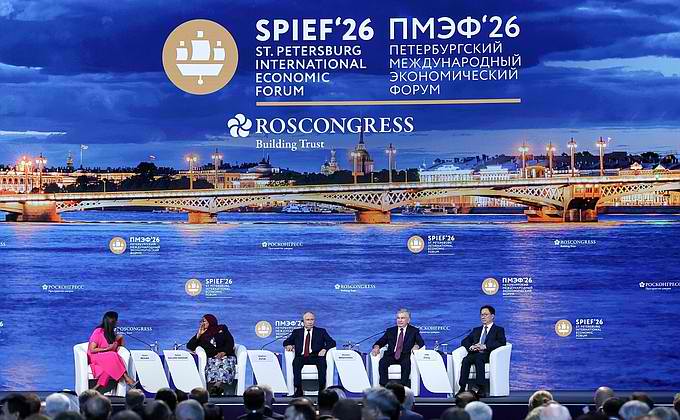
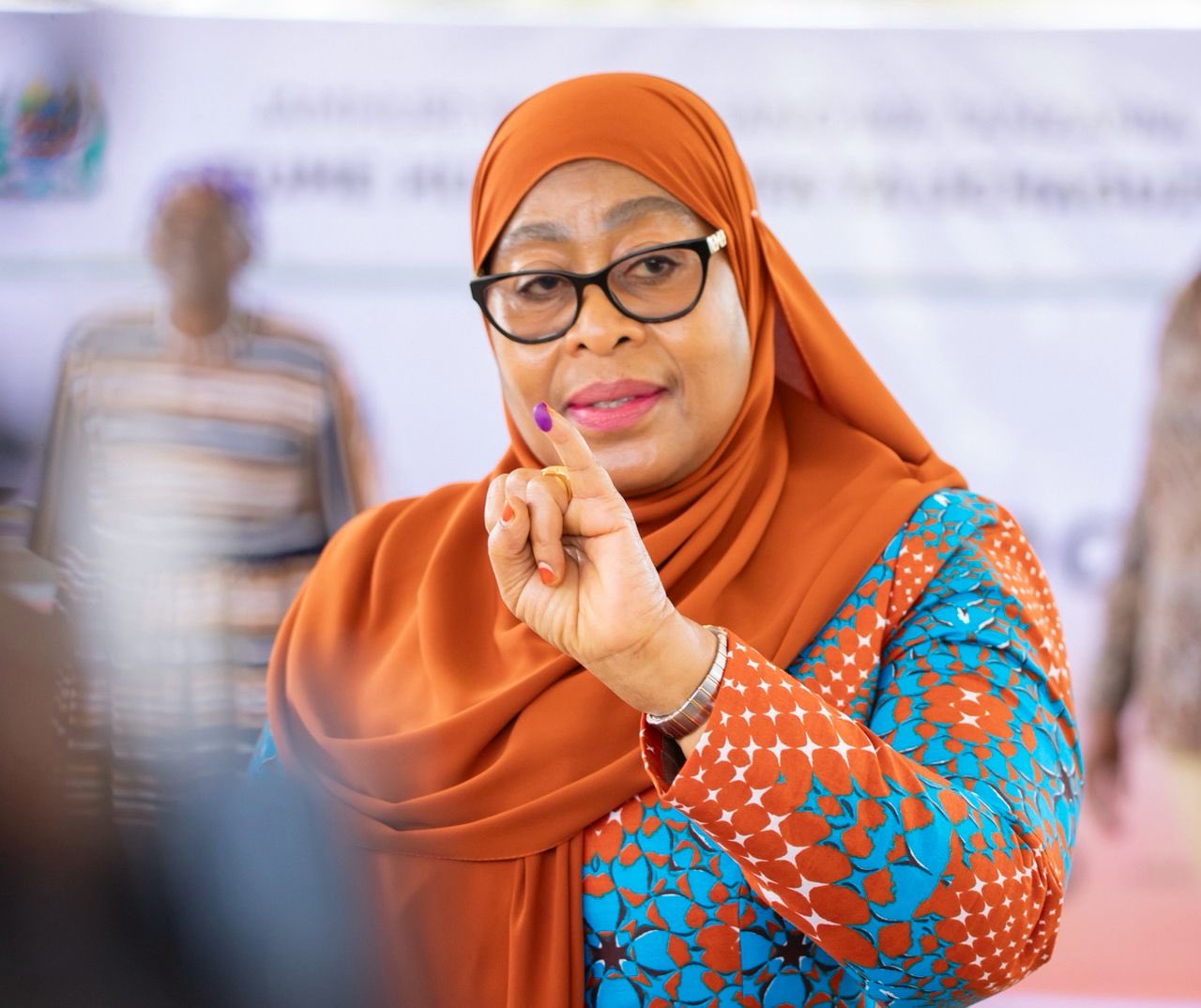
Meanwhile Tanzanian President Samia Suluhu was in St Petersburg speaking uranium and mineral beneficiation where the East African country will use some of the critical mineral to generate 70,000 megawatts by 2050 in partnership with Rosatom and some of it will be exported to Russia.
President Suluhu who has been isolated by the west following her election that was marred by disruptive violence and her senior police officers sanctioned by America for human rights violations and torture.
In Russia, Tanzania found unlikely allies facing similar western sanctions who used the event to frame their resistance against the weaponization of American dollars and foreign reserves and the use of US sanctions to police the world.
Russia offered an alternative view of a multipolar world where alternative payment systems, new trade corridors, energy partnerships, and technology cooperation can give the Global South true agency. This aligns with Tanzania’s policy to move steadily from being a producer of raw materials to a producer of finished products.
Tanzania also sought Russia’s help in establishing local fertiliser plants geared to serve the country and the region at large noting Russia role as a leading exporter while leveraging opportunities for massive infrastructure build-up in port and railway infrastructure to consolidate the region around the Souhern corridor.
Tanzania and Kenya have strategically rivaled each other for the share of the regional market, serving the land locked countries of Uganda, Rwanda Burundi, DRC, South Sudan an Ethiopia with access to export markets and sources of imports but this rivalry may prove intense as exports turn into critical minerals for the global war.
For many analysts Africa will only play the role of providing the minerals in the war of the East vs the West, and that the continent or parts of it will simply be ruled by the rest.
However, given the rise of the use of African mercenaries, transfer of technology to defend African frontiers and a new generation that is likely to identify local interests in the bidding wars Africa may emerge the most altered from the current Post American interregnum.
For a pillaged continent that is outgrowing colonial systems of control and coming into the population bulge that is able to generate local savings, grow labour force to sustain an industrial evolution and innovation among its youth, this interregnum presents an opportunity to rule the world.

Discover more from Orals East Africa
Subscribe to get the latest posts sent to your email.