Cindy Aketch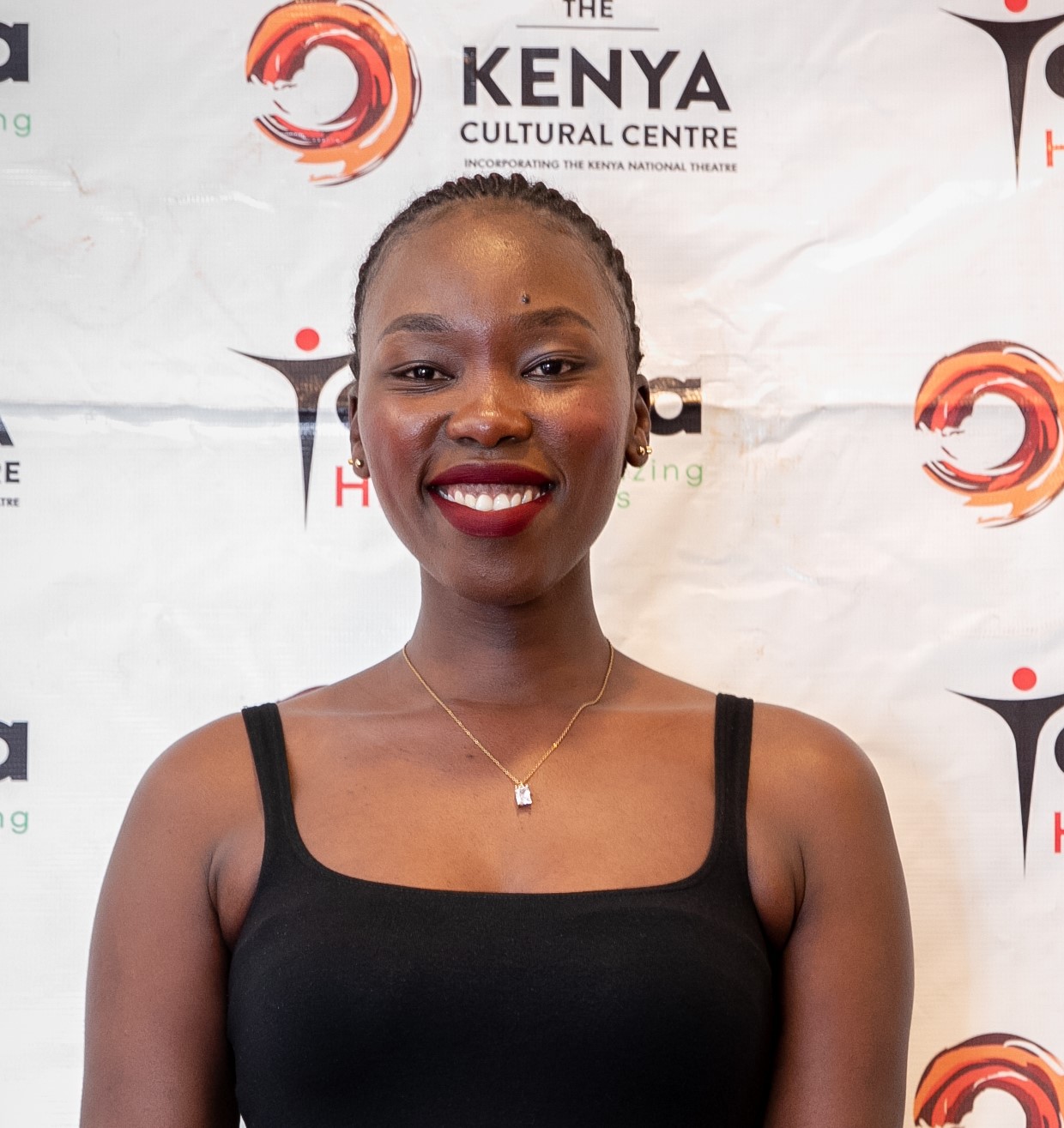
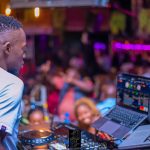
The music had been loud, the crowd electric, and the night buzzing with energy at Jomo Kenyatta Stadium during the Dala 7s Rugby after-party event. Then, in a moment that caught everyone off-guard, Afro-fusion artist Coster Ojwang stopped mid-performance, lowered his microphone, and turned to the audience. Pointing towards the crowd, he called out: “Ketna Collo kaa!” (let Collo sit here).
The crowd stirred. From the back, a young man in a wheelchair, Collo, was being lifted carefully by eager hands. He was Coster’s die-hard fan, smiling ear-to-ear as he was carried towards the stage. In that moment, the music paused, but something greater played out, an unspoken reminder of what it means to belong.
As someone working in the human rights space, I couldn’t help but notice the weight of that moment. It wasn’t just an artist bringing a fan closer. It was a profound act of inclusion, a symbolic break from the invisible barriers that often prevent persons living with disabilities from fully experiencing social life.
In May 2025, President Ruto signed into law the Person’s with Disabilities Act, which amplified fundamental rights: equality and non-discrimination, legal capacity, education, employment, healthcare, and accessibility. Among these, accessibility stands out not just as ramps and elevators, but as the design of environments, services, Information and experiences so that people with disabilities can participate fully and with dignity.
The World Health Organization estimates that about 16% of the global population lives with some form of disability. That’s nearly one in every six people. And yet, when I look around our entertainment spaces, I rarely see people with disabilities enjoying themselves. Why? Because most of our social and cultural spaces are not designed with accessibility in mind.
From nightclubs with narrow entrances, stadiums with steep stairs, to festival grounds with no wheelchair-friendly zones, barriers are everywhere. This could be the sole reason why people living with disabilities stay away from such events, not because they don’t love music, sports, or socializing, but because society has silently told them: “This space is not for you.”

Read also: Born on the lake, the difference a boat makes for island mothers
That is why Coster’s act stood out. He recognized Collo not as someone defined by a wheelchair, but as a fan who deserved not just to hear the music from afar, but to share the stage, to feel seen, and to be celebrated.
Watching Collo being lifted next to his favorite artist, a thought lingered in my mind: what if?
What if every concert, stadium, and entertainment space in Kenya was designed with accessibility in mind?
What if ramps, sign language interpreters, reserved seating, and sensory-friendly spaces were standard, not exceptions?
What if persons with disabilities were not “guests of honor” at such events but simply part of the crowd, laughing, dancing, and living freely like everyone else?
The law now gives us a framework. But laws are just paper if not brought to life in everyday spaces, especially the spaces where joy, connection, and culture happen.
Coster’s gesture may have been spontaneous, but it carried a message that policymakers, event organizers, and fellow artists should pay attention to. Accessibility in social spaces is not an act of charity. It is not “going the extra mile.” It is a fundamental right.
By ensuring persons with disabilities can access entertainment venues with dignity, we affirm their humanity and enrich our collective culture. After all, music, sport, and joy lose nothing when shared more widely; in fact, they grow.
Collo’s smile that night told a story of belonging. Coster’s pause in music reminded us that inclusion sometimes begins with the simplest of gestures. But if we are to honor the spirit of the Persons with Disabilities Act, inclusion must go beyond gestures it must become the standard.
So next time we organize a festival, or plan a performance, may we ask ourselves: is there a place for Collo here? Because if there isn’t, then we still have work to do.
The writer is a Communication and Advocacy Officer KMET

Cindy Aketch
Discover more from Orals East Africa
Subscribe to get the latest posts sent to your email.