 Lynette Ogollah
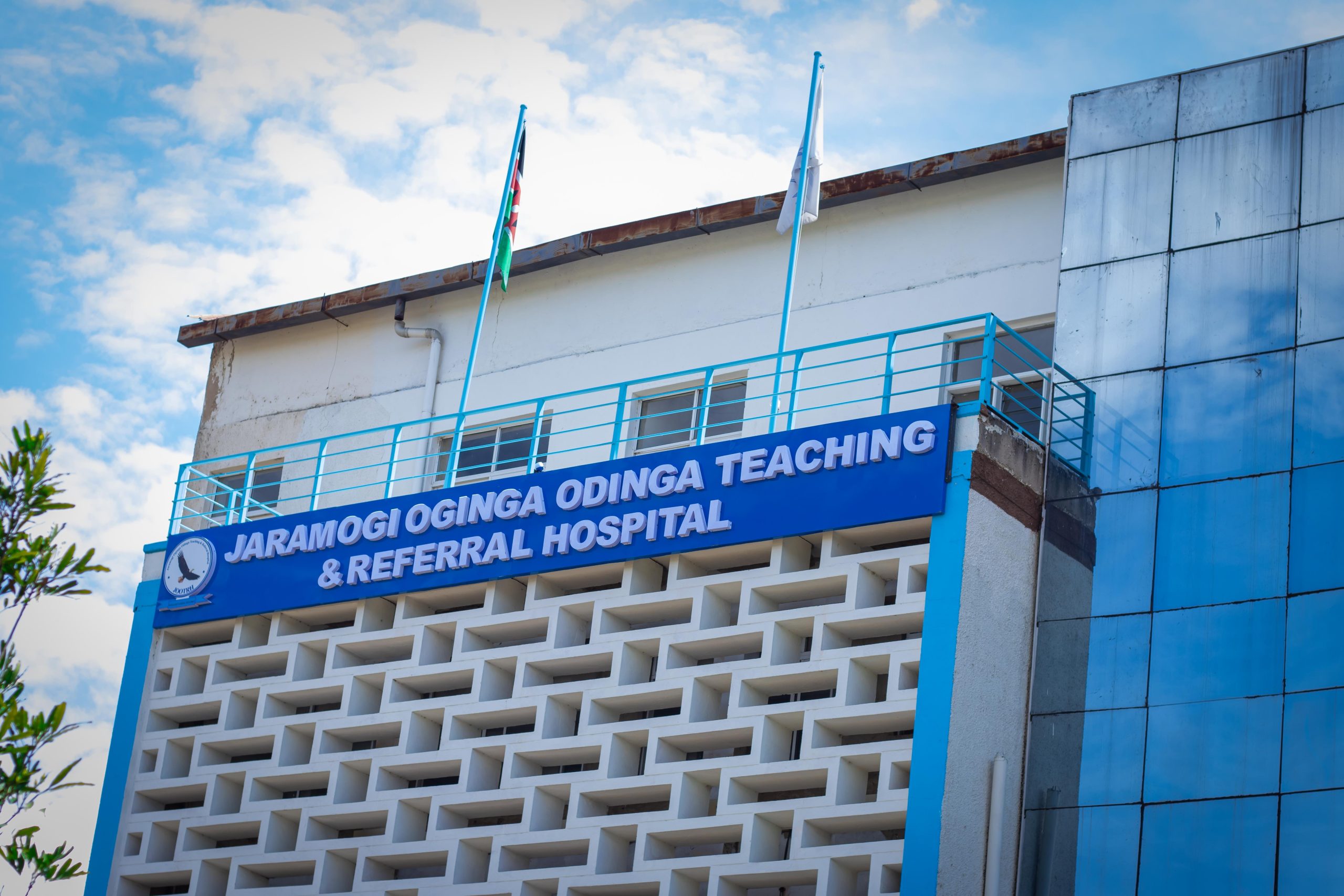
The Jaramogi Oginga Odinga Teaching and Referral Hospital (JOOTRH) has officially transitioned into a Level 6 national referral hospital, a milestone that elevates its status alongside Kenya’s top facilities.
Under the guidance of its transition committee, the hospital is rolling out reforms that touch staff welfare, infrastructure, patient care and financial management.
With the upgrades raising the quality of service for the Kisumu referral hospital, it will offer an affordable alternative to costly private care for the growing Nyanza and Western populations.
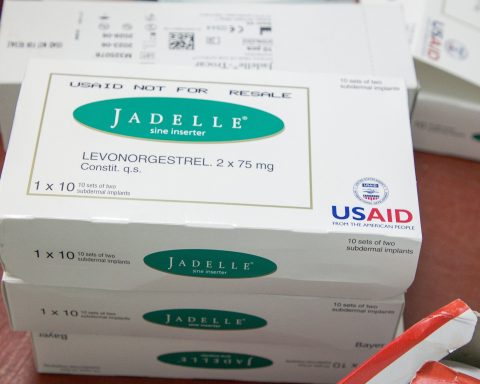
This upgrade is also crucial at a time of wholesale withdrawal of donor funding that was supporting a low-cost community-led health infrastructure that is now on the verge of collapsing. The closure of USAID and cutbacks from European donors has frozen billions of dollars in funding for small-scale community clinics that used to absorb the growing healthcare demand from a bulging population.
“As a Level Six facility, JOOTRH will now operate under the same national regulatory framework as Kenyatta National Hospital (KNH), Moi Teaching and Referral Hospital (MTRH), and Kenyatta University Teaching, Referral & Research Hospital (KUTRRH). This alignment brings stronger planning, greater accountability and higher standards of care,” said Transition Committee Chairman James Ntabo.

Read also: Lucky unlucky, the march for Kisumu preterms with no neonatal-ICU
For years, staff at JOOTRH worked in uncertainty, never quite sure when their salaries would arrive. That anxiety is now history. The hospital has confirmed that all staff will be paid on the 25th of every month, with funds sourced directly from the national government.
Payroll reforms
Payroll reform is only the beginning. According to the acting CEO Joshua Okise, workers serving on locum, under JOOTRH contracts and County contract terms will be confirmed under the Permanent and Pensionable (PNP) scheme, a move expected to boost morale and improve staff retention.
The CEO noted that the clinical outcomes are also improving. “The hospital has recorded a decline in daily deaths, from an average of 10 to 4. The long-term vision is to achieve a week without a single fatality,” he said.
Since its elevation to a Level 6 facility, JOOTRH has seen a significant increase in patient enrollment. While this affirms public confidence, it has also raised concerns about staff burnout due to the heavier workload, an issue flagged for urgent redress by the transition committee, including the prospect of workforce expansion.
“We have noted staff concern about burnout due to the rising patient numbers. The transition committee will escalate these issues to the necessary board,” said Dr. Ruth Bosire, Director HRM&D.
Infrastructure upgrades
To support this new era of care, infrastructure upgrades are underway. The hospital ramp, now 99% complete, is set to improve accessibility for both patients and staff. The hospital is also working towards self-sufficiency in key utilities such as water and electricity. By cutting cost, JOOTRH will redirect the savings into purchasing essential supplies and hiring additional staff.
Reforms are also reshaping how the hospital operates. JOOTRH is set to become the first hospital in Nyanza to roll out Afya KE, ushering in a fully paperless era.
Procurement processes are moving to the Electronic Government Procurement System (E-GP), enhancing transparency and accountability.
Financial performance has also strengthened. Between July 2024 and July 2025, the hospital’s cash flow rose from KSh 45.2 million to KSh 70 million, providing stability for payroll and funding for ongoing development projects.
In addition, the hospital has moved to safeguard its assets, both movable and immovable. The finance, assets, and legal teams are reviewing instruments that anchor JOOTRH’s new parastatal status, ensuring nothing is lost in the transition.


Discover more from Orals East Africa
Subscribe to get the latest posts sent to your email.