Otiato Guguyu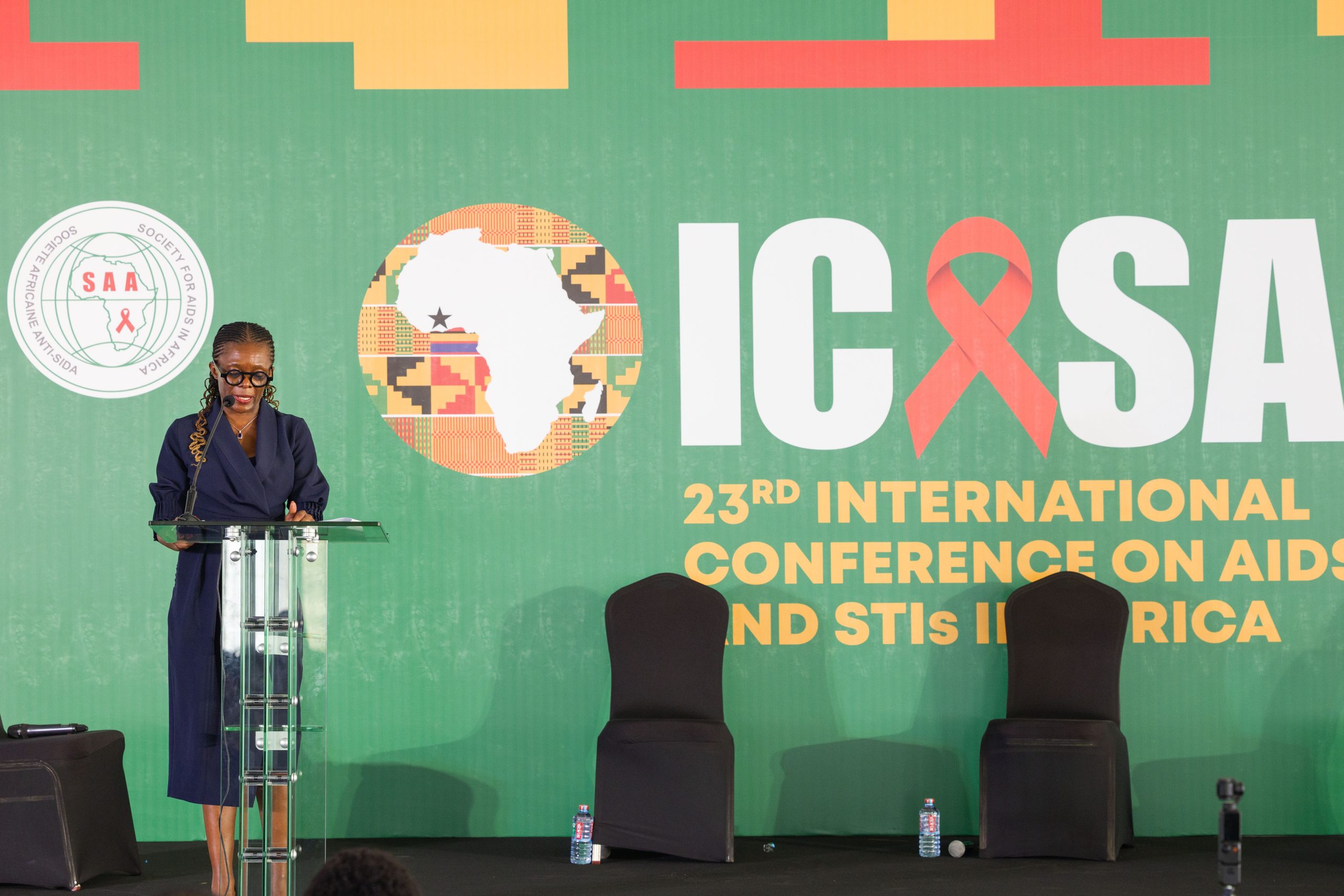
I had hoped that, before I die, the good lord would grant me two wishes: to meet the master storyteller, Ayi Kwei Armah, and to see Anais Mitchell’s Hadestown in New York City. That I had shaken the hand of Taban lo Lyong and accepted the quest to resurrect his Orpheus, I would enter the belly of the beast, with my lyre by my side. And sing la, la, la, la, la, la la. La, la lalalalalalaaaaaaa.
But I was not yet ready, it seems, because I missed him on my first trip to Ghana, when I recently made my first visit to the Gold Coast, like a character straight out of his book The Revolutionaries; a copy of which I read from our mutual friend the late Barbara Wanjala, and which had become the irony of living fiction.

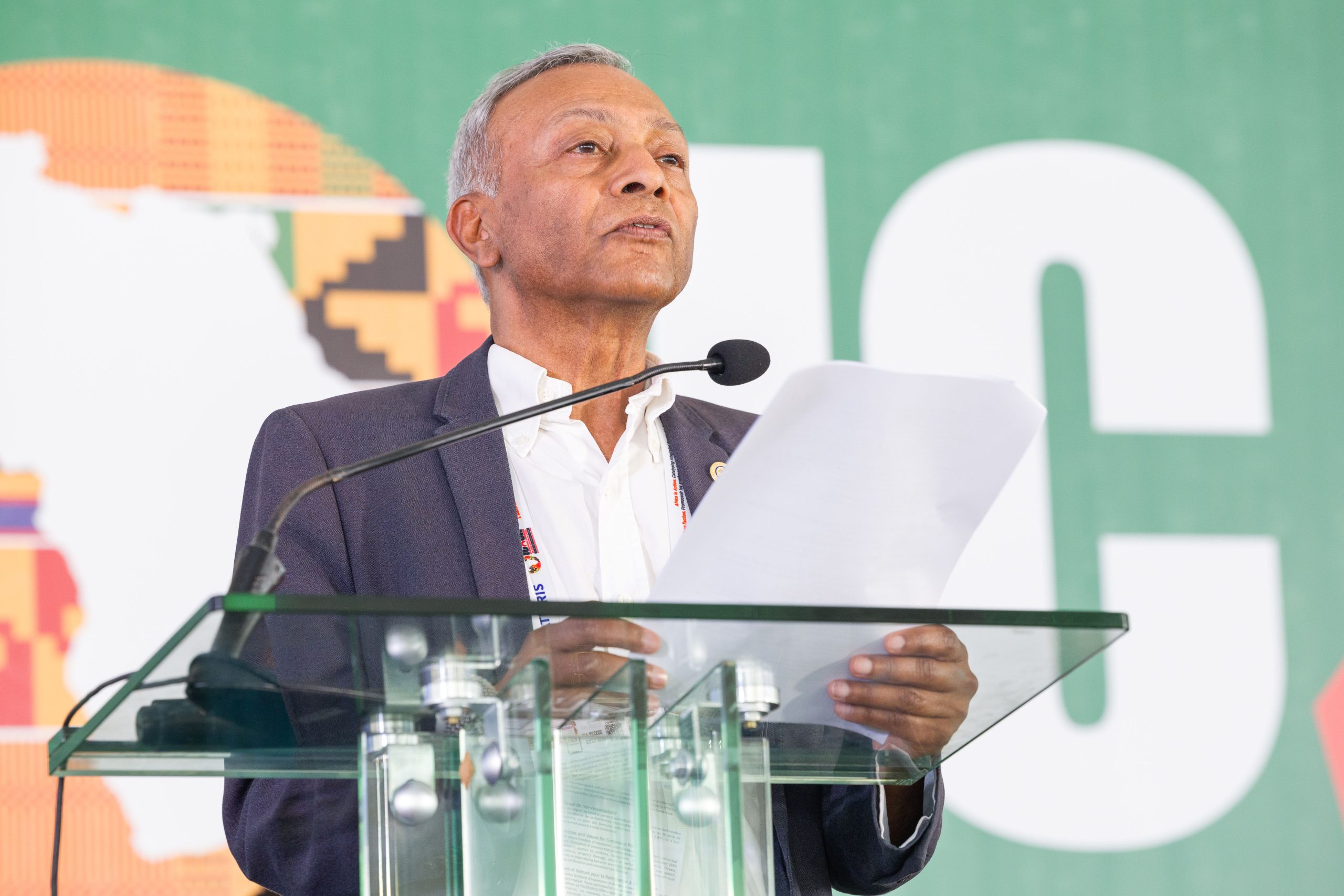
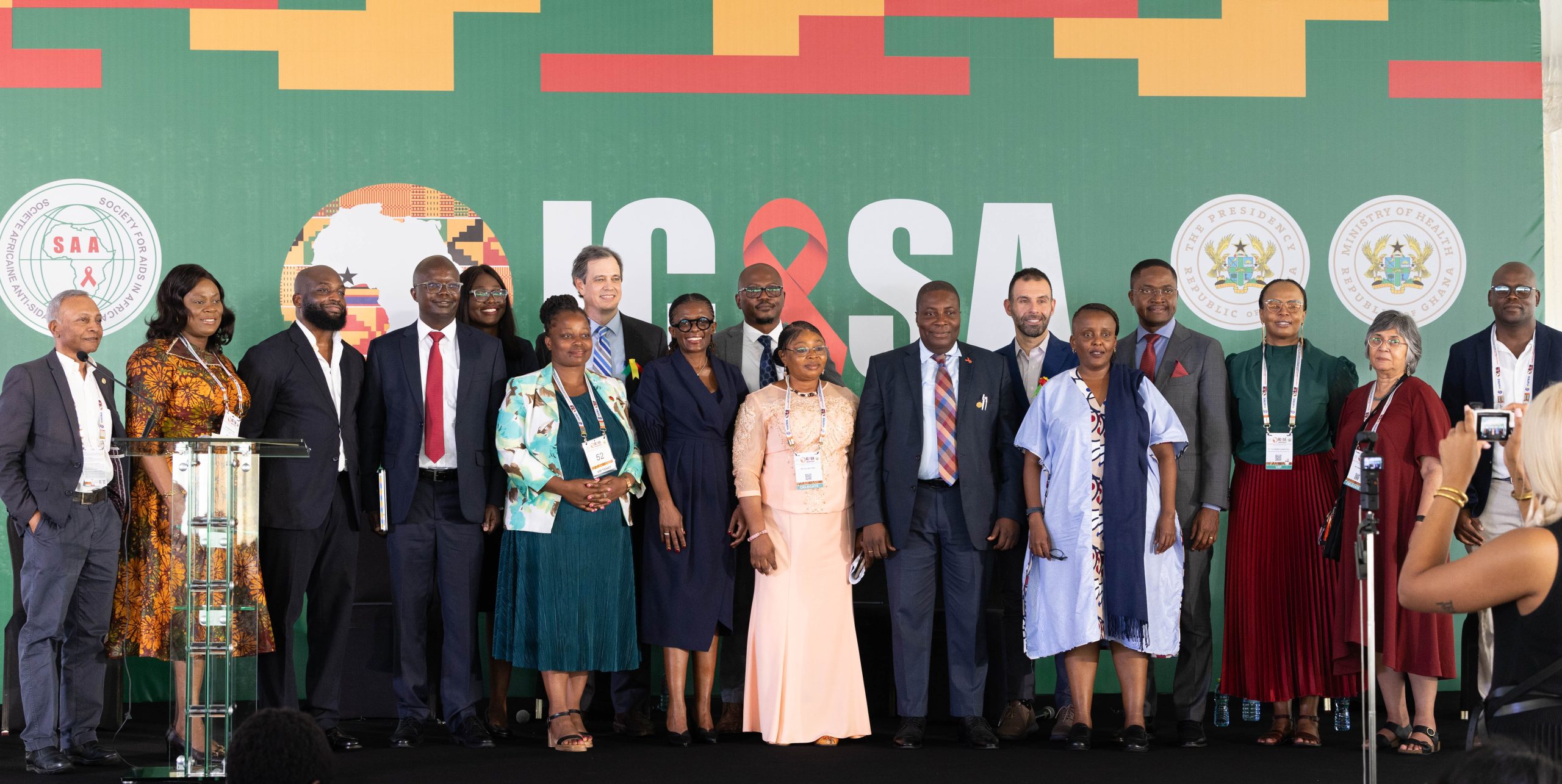
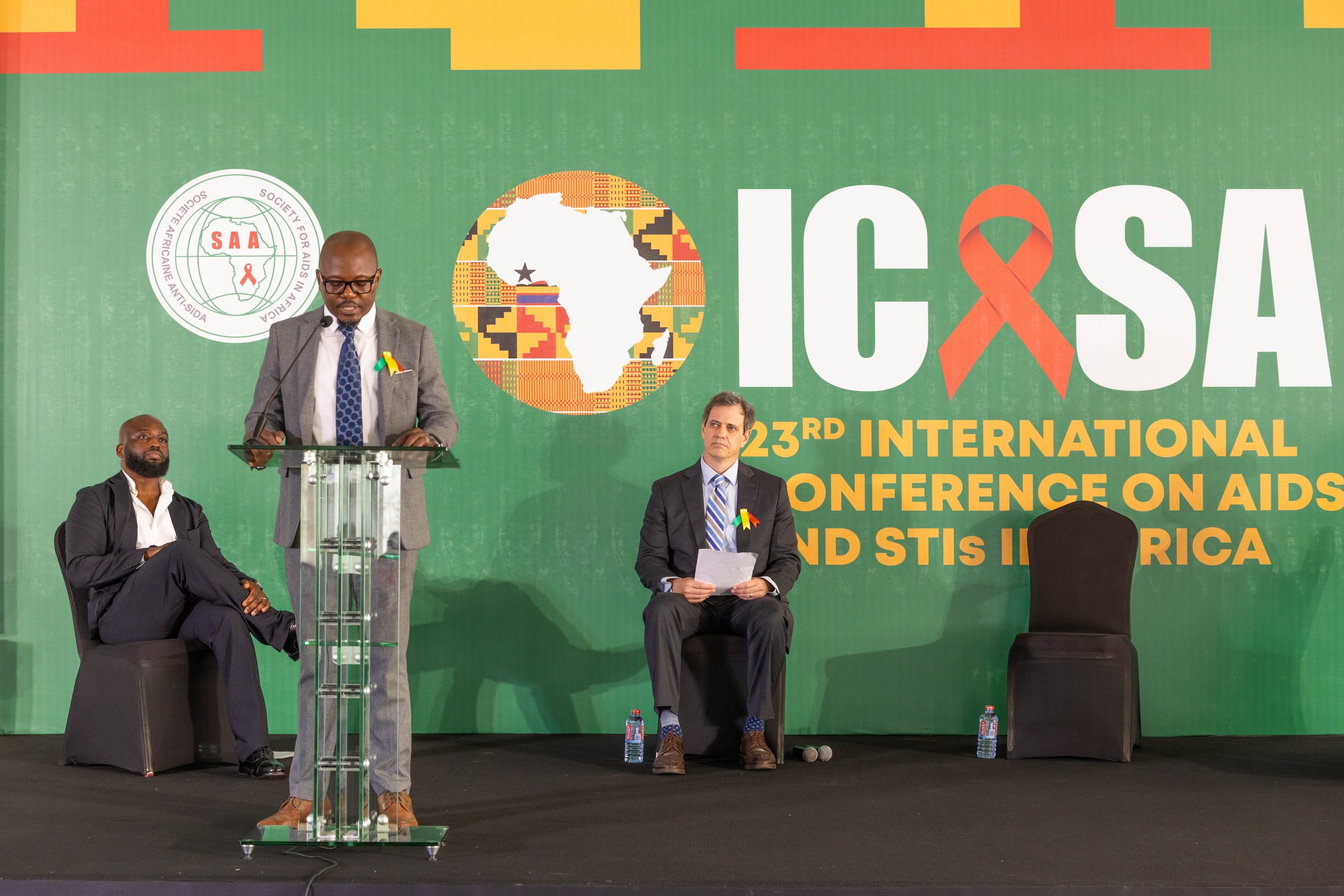
I was in Ghana as part of the Global Network of People Living with HIV (GNP+) team for the ICASA 2025, the largest HIV/AIDS, STIs, TB, Malaria, and health systems strengthening conference in Africa (ICASA) that took place in Accra last week. This was part of my role to document, articulate and project the voice of People Living With HIV (PLHIV) to global policymakers in a time when priorities are diverging.
Conference stuff
Yet this year it was not the glitter and glitzy affair of previous meetings. When they call in the janitors, as the phenomenal women leaders told me recently, there is a lot of cleaning and no broom. Real work and no funding, committed governments and donor partners but with diverging interests.
Yet the people at the core of the work, those living with HIV, are almost ignored. But not in Ghana.
Here the tempo is at the heartbeat, rushing. The maddening sea must be to blame with the way it suggestively slaps against the shores and tempts men.
The sun is hot, the air humid and salty like my home port-city of Mombasa, the people are friendly, their class not as apparent as in Nairobi.
The city is sheltered in palms and large broad-leafed trees, with geckos and obongo-obongo lizards with colorful heads that pay more attention to you than everyone else.
There is art everywhere. I doubt the City Council charges fees for signposts here because everyone is displaying what they sell in colour on canvas. But most are in fact eulogies, and there is a church every two blocks which shows how Ghanaians are committed to religion.
Two thousand seasons of slavery
The land lays out in such beautiful order, well-trenched for running a healthy offshore city that it feels pre-colonial, crime unseen; how many millions of us cry out from the sea, while ashore Bob Marley sings them back. Fifteen million souls sent through the Middle Passage, two million dead, to create capitalism in the cotton empire of European elites.
We too, committed such crimes in the East and share this guilt, for royalty is carried on the same shoulders as crime, however communal and short-sighted. In fact, I wanted to ask the master whether ‘Two Thousand Seasons’ had not come to an end; had we not atoned enough? But I missed him. I heard he had moved to Senegal, so may the gods send me there soon.
Youth on sale
You cannot ignore Africa here, in this sweltering heat, teenagers kicked what must have been their Shaolin soccer version, which only this time was Atlantic Ocean Diving soccer.
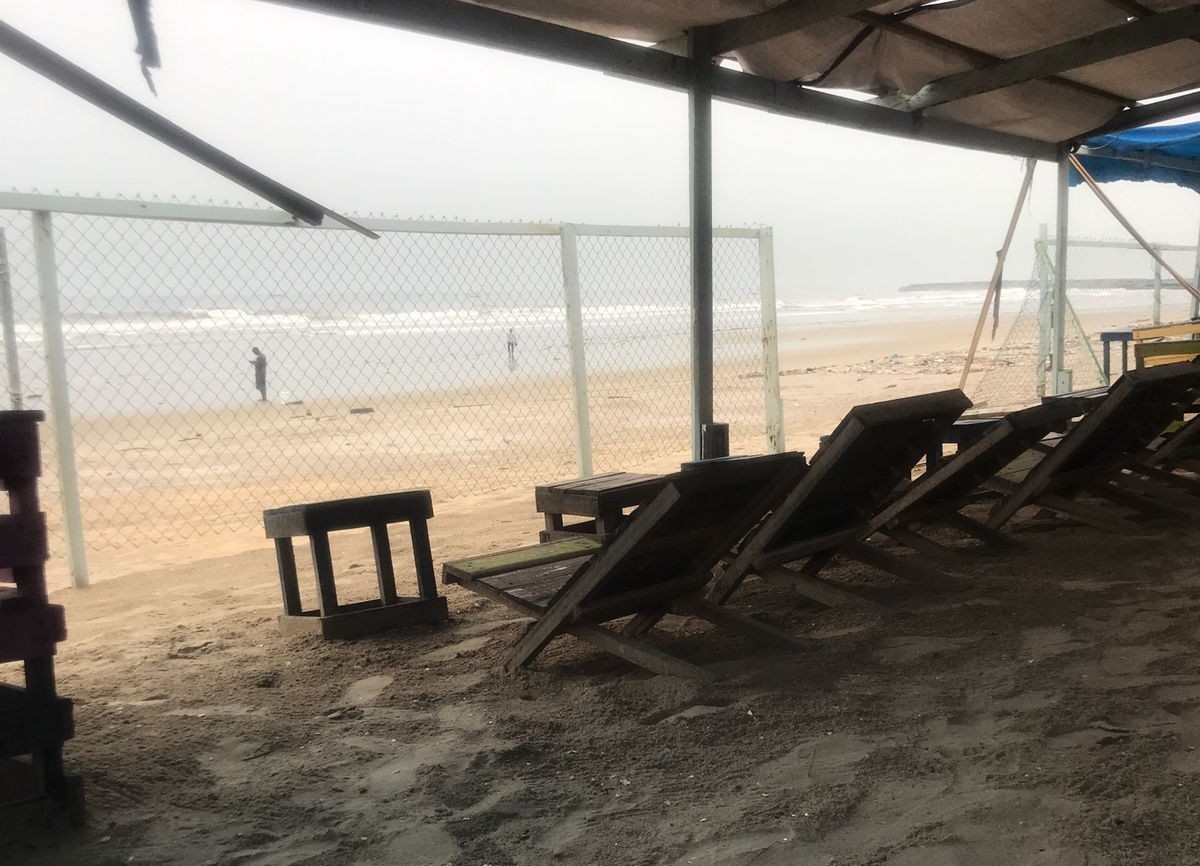
The bodies tugged back and forth, kicked and dribbled, tackled and shoved, passed around and artfully switched flanks, as if they were doing PlayStation games. Then the trophy.
These boys would go and make a dive into the sea whenever the chance presented itself by the ball veering off-pitch. They would plunge into the frothing Atlantic as carefree youth, engaging the minds of the future, in its vitality.
Then a kite, Isis, distinct cry and brown, descended, gliding, hunting in the spaces where the two skies met offshore Accra, where European fangs stuck into the graves of our ancestors, sucked out the lifeblood that powered the movement of men across the globe.
On the shore, the nightclubs of Coco Beach would continue to throb with reggae and local music, garnished with beer and sex; only this time, the low viral load may be slipping, and the move to end HIV as a pandemic by 2030 may be reversed.
Power of community
I have a long background with the HIV movement, I first encountered HIV messaging in the 1990s which weaponized fear to raise awareness of the disease and ended up causing much stigma to communities and leading to countless needless deaths.
In primary school I was part of the Spanish Medicines Sans Frontières-funded awareness drives in rural Kenya where I wrote the poems we recited on December 1 at Busia Polytechnic to mark World Aids Day.
Through such public display, adults marveled at how much our young minds knew and could publicly speak about sex.
But it was only till I grew up that this awareness was tested. Biology overcame rationalism and despite my knowledge, in the recklessness of youth, I still had unsafe sex and was at risk just like anyone else who has contracted the disease.
HIV is like any other ailment and those who have it are not immoral; in fact they are some of the most ingenious people I have met who through research and science, have been responsible for bringing down the rate of HIV infections by religiously taking their medicine to repress their viral loads so that the virus cannot be transmitted; a concept called U=U: undetected equals untransmittable.
Changing narratives
Significant progress has been achieved in the HIV response through the structured engagement of People Living with HIV (PLHIV) in ending AIDS as a public health threat. Their commitment to adherence to treatment has been central to the progress achieved towards achieving the 95-95-95 targets driving down HIV incidences and ending HIV-AIDS.
By the end of 2024, the number of new HIV infections was at its lowest point since the mid-1980s, and the number of deaths from HIV-AIDS-related causes had dropped to levels last observed in the early 1990s. In 2024, approximately 1.3 million people worldwide became newly infected with HIV-AIDS, marking a 61% decrease from the epidemic’s peak in 1996.
This decline represents a 40 percent reduction since 2010, although it falls short of the global target to reduce new infections to below 370,000 by 2025. HIV-AIDS-related deaths also fell significantly, with an estimated 630,000 deaths in 2024, 54 percent fewer than in 2010 and 70 percent fewer than at the peak in 2004.
Despite these advances, HIV-AIDS remains a major public health challenge, with around 40.8 million people living with the virus globally, including 2.42 million children and adolescents.
Sub-Saharan Africa continues to carry the highest burden of HIV globally, even as international funding for HIV and broader health responses faces significant cuts. The recent and abrupt US government funding cuts —especially to PEPFAR and USAID— have created immediate and severe disruptions to HIV prevention, testing, treatment, and care across Africa, particularly in Eastern and Southern Africa, exposing the fragility of HIV response globally.
Leading now, like there is no tomorrow
But even as the global response is fracturing, it is the PLHIV who are actively trying to protect the community and remind us it is possible to end the pandemic, and have come up with solutions to sustain this progress even amidst funding cuts.
Over 40 million PLHIV through the first World AIDS Day Report by GNP+ are asking for minimum requirement for integrated HIV Services; transformative PLHIV participation, local context definition, recognition of our diversity, comprehensive care – including self-care – resilient systems, stigma-free services, and full government responsibility for treatment.
This report, PLHIV Minimum Requirements for Integrated HIV Services, is built on the mandate of the Nairobi PLHIV Leadership Summit in April, a first in what will shape into an annual tradition of defining and tracking the non-negotiable standards for integrating HIV services into primary health care without leaving anyone behind.
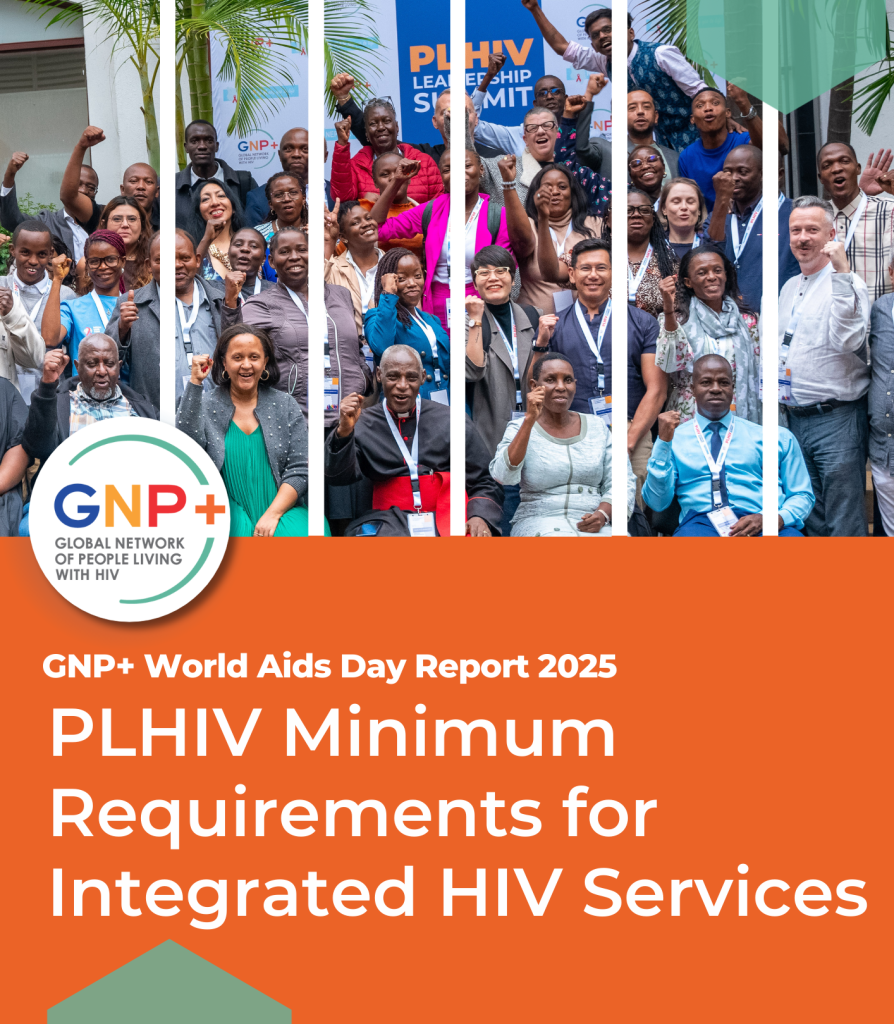
This report also shared GNP+ roadmap to a sustainable HIV response that protects lives, sustains viral suppression, and finally delivers Zero AIDS-related deaths, Zero new infections, and Zero stigma.
GNP+ offers this report as a hand extended in partnership with governments, health providers, donors, and allies so that together, we build services that are truly person-centered, equitable, and resilient. Because when integration is done with PLHIV, it works for them. And when it works for them, U=U becomes reality for every single person living with HIV.
Only then can we have a chance of watching these Ghanaian boys blossom into the African demographic dividend in a world without AIDS.

Discover more from Orals East Africa
Subscribe to get the latest posts sent to your email.