Navigating Lake Nyanza, the world’s most dangerous fresh lake
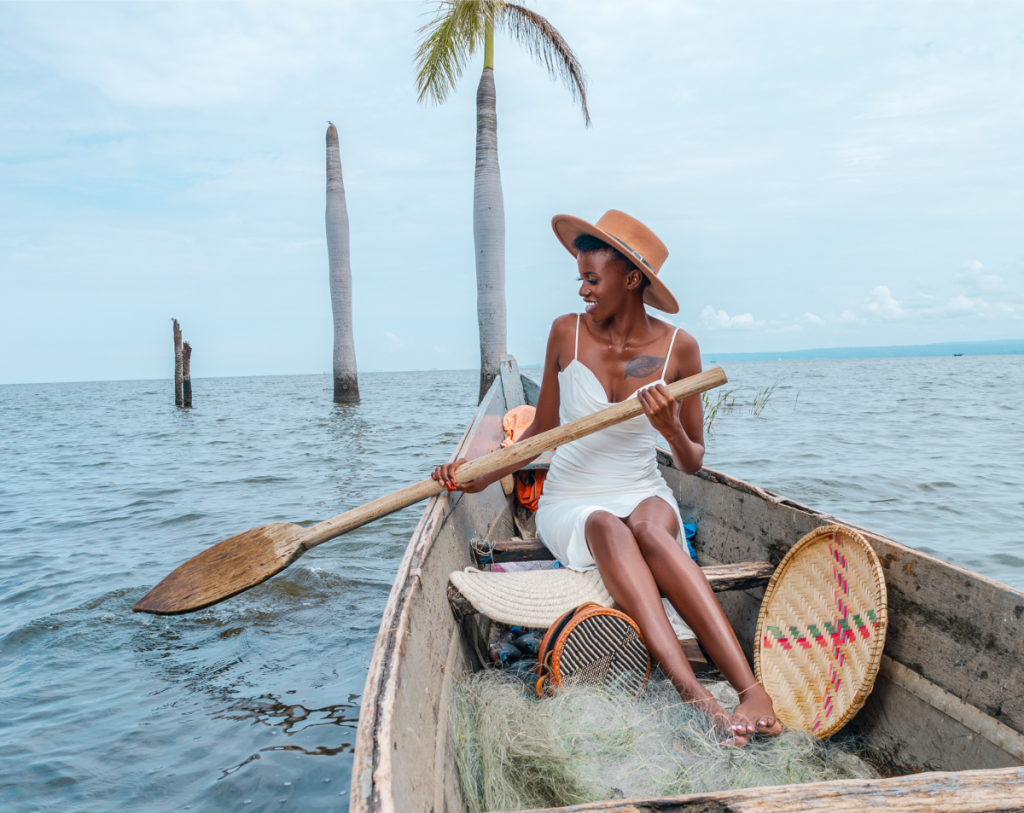
Even as a child, I would hear our people speak of muNyanja -going into the lake, with reverence and fear as if it was a separate, enchanted world that took our brothers or made them a fortune.
Lake Nyanza, this expansive water the size of Scotland in the middle Africa has its dark and mysterious violence that makes it the deadliest in the world.
When the British landed on its shores, they declared they had conquered it and named it Victoria.
Typical of the arrogance of the Perfidious Albion, they built a steel-hulled passenger cargo steamer, RMS Victoria, in Scotland and brought it to Kisumu.
En route to Bukoba in 1926, the contraption came up against the legendary waves of Nyanza storms at Sio River – massive and steep generated by sudden, ferocious squalls and wind gusts.
These waves have capsized even sizable vessels within minutes, often without warning, and are responsible for the nearly 5000 deaths on the lake every year, due to drowning.
Read also: The man who turned condoms from taboo to Nyanza songs
Lake Nyanza holds the tragic distinction of being arguably the most dangerous lake in the world in terms of human fatalities.
The lake has witnessed devastating accidents throughout its history, including the 1996 Bukoba tragedy the worst on the lake that killed over 800 when a ferry sank just 30 km from Mwanza port.
Numerous smaller incidents; capsizes of fishing boats claiming 5-10 lives occur frequently, often unreported nationally.
Those that have recently grabbed the news brief recently are the April 2023 boat capsize in Mfangano Island HomaBay that left at least 30 dead and the November 2022 boat incident carrying football fans that capsized near Hippo Point, Kisumu and left at least 11 dead.
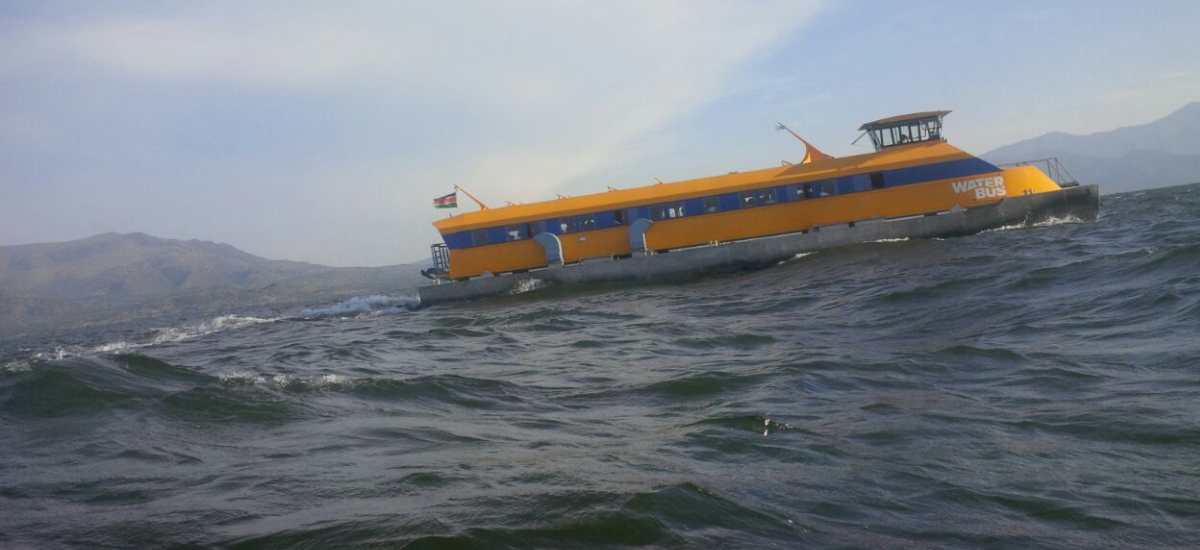
The high death toll on the lake has been attributed to the sudden storms, its sheer size, – Lake Nyanza is the second largest freshwater lake in the world, with millions relying on it directly, having to cross it for transport, trade, and fishing.
Most of the vessels used are unsafe due to overcrowding and the authorities have not set up search and rescue infrastructure that should be enough to cover accidents on the massive water body.
The government has over the years, put in funds on new rescue stations (e.g., in Homa Bay, Kisumu, Migori) equipped with faster boats and communication gear as well as training and deployment of specialized search and rescue (SAR) teams.
Investments in the Kenya Meteorological Department’s automated weather stations is supposed to be able to provide localized, real-time storm warnings via SMS and radio broadcasts to fishing communities and boat operators.
But that investment is a drop in the sea compared to the scale of the problem and fishermen in remote arears are on their own, trusting only the ancient knowledge to navigate these choppy waters in order to feed their families.