Encounter with ‘lifinda’ the deadly one-hour Nyanza storms
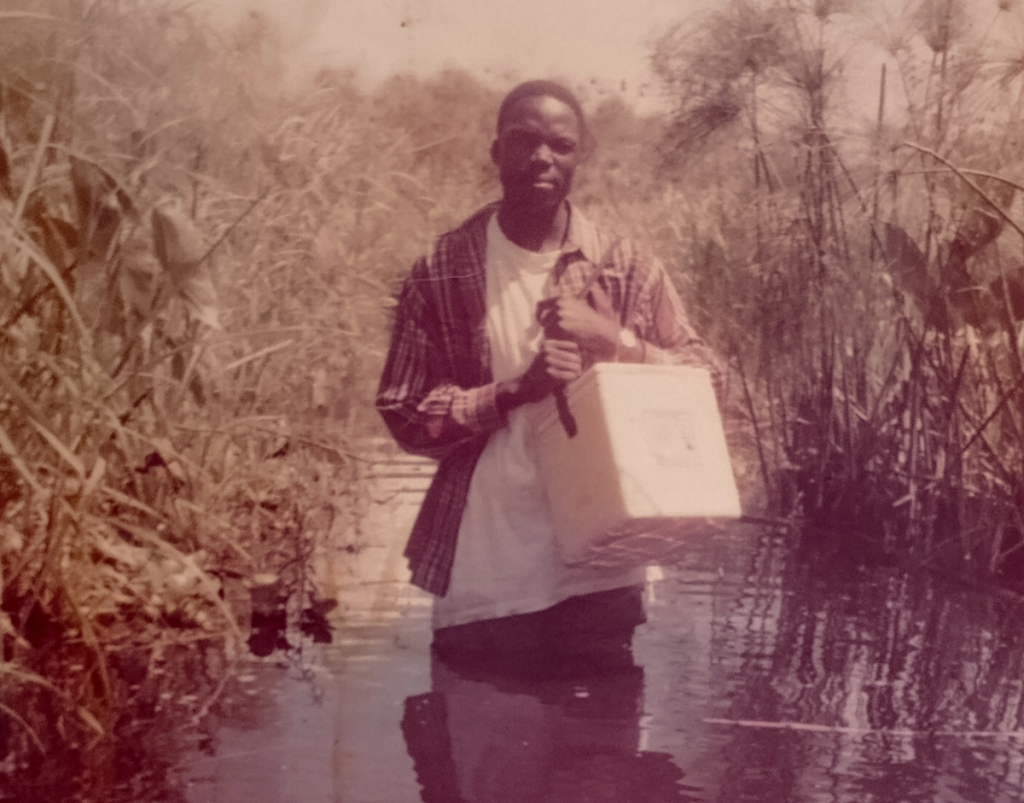
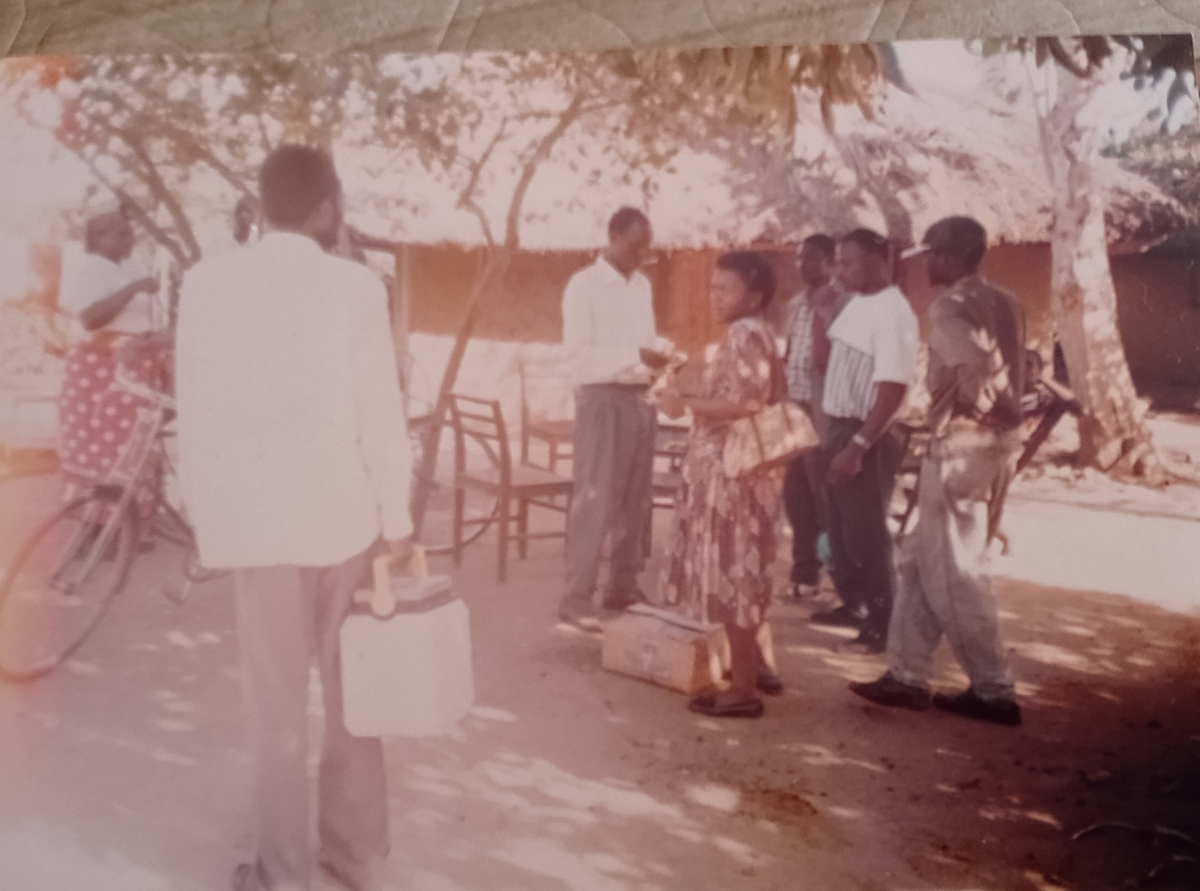
When I worked in Southern Budalangi, much of my work involved mobile health services, the kind where the clinic doesn’t wait for the people, but the people are sought out, even in the remotest corners.
Dotted across this region are low-lying islands and swampy stretches, pockets of humanity in a land where the ground itself seems unsure of its loyalty — to water or to earth. The people here are resilient. And to reach them, we had to be, too. We brought immunizations, antenatal care, minor treatment, and health education — a humble list on paper, but in reality, it meant carrying hope on our backs and prayers in our hearts. We weren’t just going to new villages. We were crossing into lives where the presence of a nurse or a clinical officer felt like a miracle.
Southern Budalangi is not the kind of place you simply arrive in. You traverse it, bit by bit. You ride a bicycle until the mud refuses to release your tires.
Read also: Namuonja the Manyala who ruled North East Nyanza before we became Kenya
You dismount, take off your shoes, and begin to wade. You watch your step not because there are thorns, but because the ground below might dissolve into water. You walk across makeshift bridges — or in my case during one memorable trip to Rukala, crawl across them — praying for balance.
Before certain land reclamation projects took shape, places like Buongo, Bubamba, Bulwani, Madua, and Iyanga were nearly unreachable. To journey there was to risk something: your dry clothes, your balance, and sometimes your life. I remember our entry into Bubamba, where the marshland wasn’t solid ground but a soft trampoline of decomposing vegetation. It held you, until it didn’t. A single misstep felt like an invitation to vanish.
And yet, we went.
We went with supplies balanced on our backs. We went with records, thermometers, vaccine coolers, and soap. We went laughing, though sometimes nervously, among colleagues who had learned to joke in the face of fear.
My male coworkers — full of bravado — dared the world with each trip. I wasn’t any less spirited. I matched their courage with my own kind of grit. What kept us moving wasn’t just duty. It was the quiet understanding that there are places in this country where access isn’t defined by distance, but by elements; wind, water, fog, and faith.
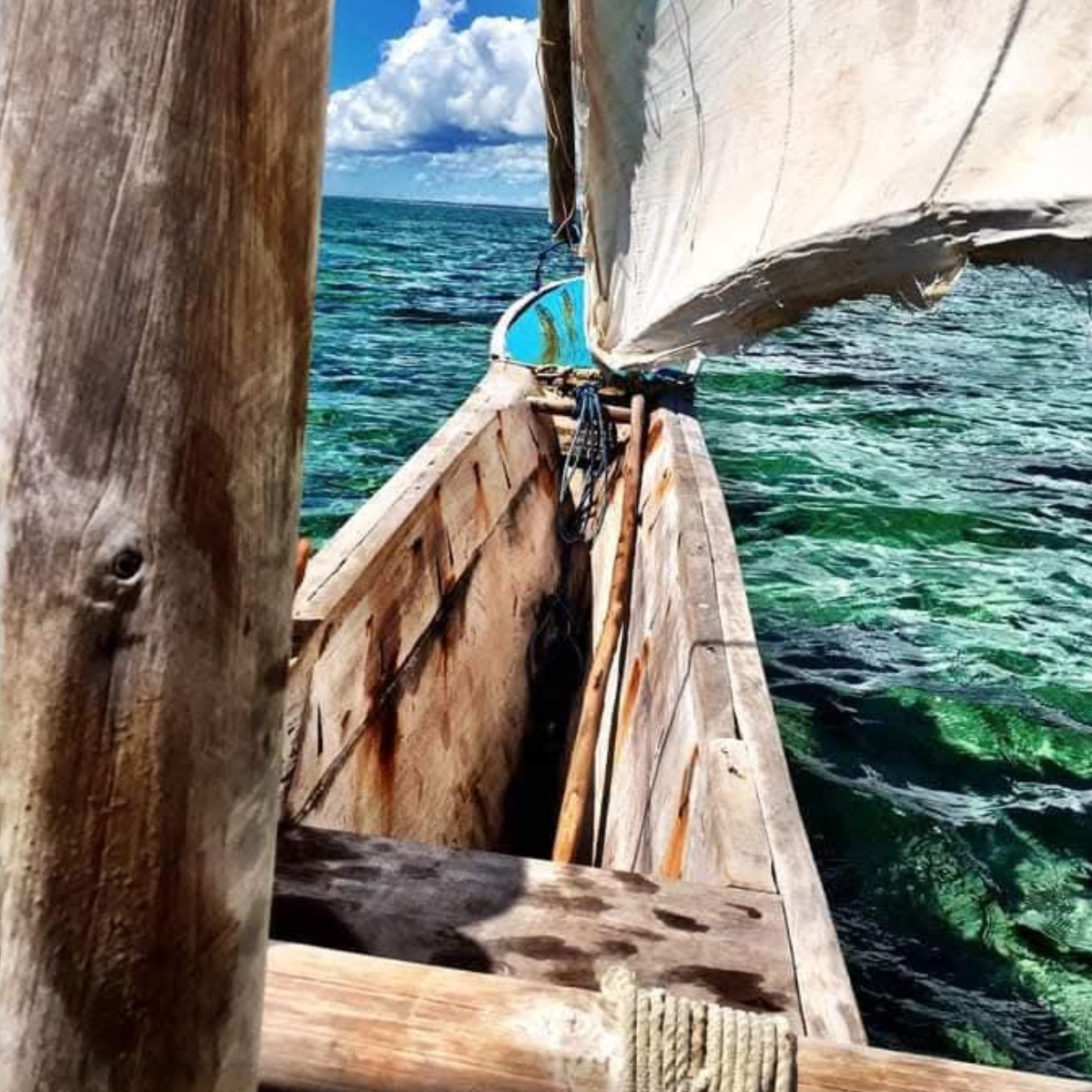
Then came the day we went to Osieko. It was the first time we traveled not over land, but over the open water. Our vessel was a modest fishing boat, nothing like the polished engines you might imagine. This one had a white bedsheet for a sail and a leak in the belly that was managed barely with a plastic ‘Kasuku’ tin. There were no life jackets. If the boat capsized, our salvation would be twenty-litre jerry cans, and our own will to survive.
The man at the helm steered with a bamboo stick. Others helped with wooden oars that resembled traditional ‘mwikos’ used for stirring heavy ugali. We left Mabinju on a calm morning. Lake Victoria — or Nam Lolwe — was deceptively serene. The breeze was gentle. Conversations bounced lightly between us, carried by sun and salt.
At Bulwani, I remember seeing the River Nakhairira slip into the lake like a secret. The river waters — fast, clear, insistent — moved through the lake without merging. A ribbon of clarity woven into the deeper blue. I was amazed. I thought, perhaps foolishly, that nature was on our side that day.
And for a while, it was.
By late afternoon, we boarded the same boat for the return trip. Around 3:00 or 4:00 p.m., we left Osieko. The clouds had begun to gather, thick and low. But the boat felt sturdy enough. For the first few minutes.
Then came the tide.
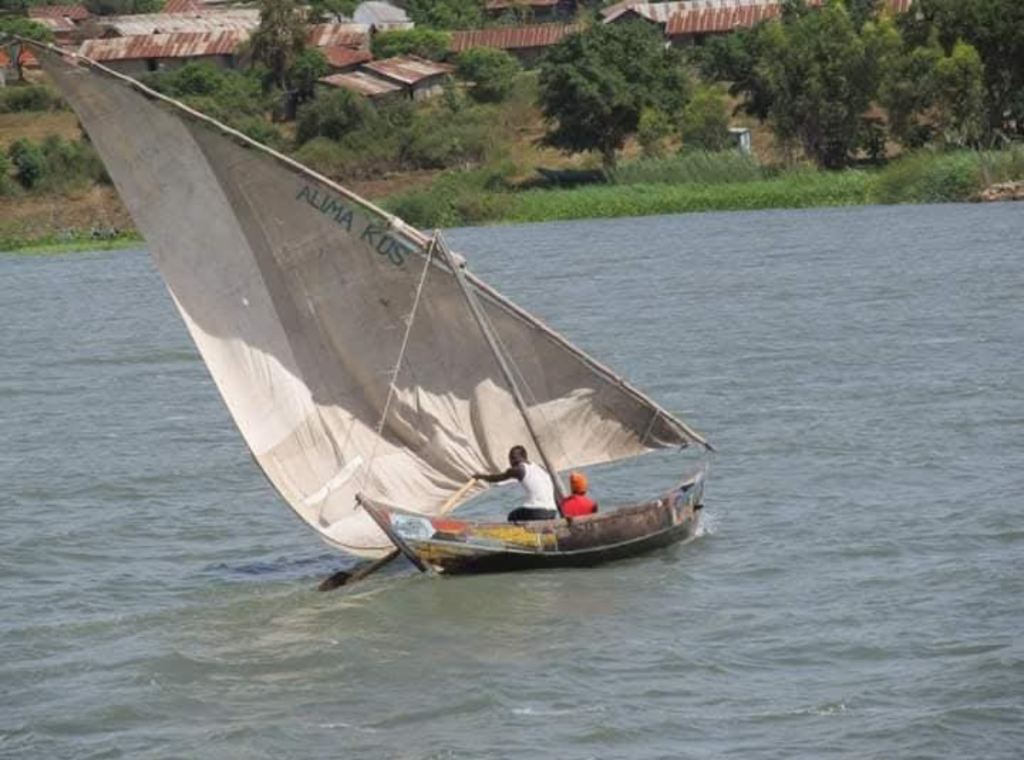
At first, it was a shift — a pulse in the water. Then it became a wall. To my left rose a swell nearly ten feet high. I blinked, thinking it a trick of the light. But it stood — a tower of water. That’s when I learned what the locals call lifinda — waves so strong they can turn boats to kindling. Nyanza storms are a rare one-hour phenomenon that unfolds due to rapid daytime heating over the shallow surface of the lake, whose massive surface triggers massive charged noncturnal storms that last just an hour; but which is responsible for nearly 5000 deaths each year.
I saw Jesus.
Each time the boat crested a wave, it was met by a furious slap of water on the other side. The lake, which had been our passage, now threatened to be our tomb. Water rushed into the boat. The same Kasuku tin was now in relentless service. One of us scooped and tossed, scooped and tossed, as if his arms were powered by desperation itself.
The man steering shouted at us to be quiet. Our voices, he warned, might wake the spirits of the lake. He ordered everyone to grab a jerry can. I couldn’t tell if it was myth or instinct — but I complied. What else could I do?
Inside my head, there was chaos. Outside, even more. We shouted prayers. Some whispered. Some wept. Someone muttered, “We’re dying, leaving behind our wives and children.” Others chanted, “Lord, preserve us!”
I clung to something — the seat, maybe. My mind drifted to the story of Jesus sleeping through a storm. How could He? Even Peter had to shake him awake.
The clouds turned charcoal. Lightning cracked in the distance. But finally, finally, a blur of shoreline appeared on the horizon. We erupted into ululations. We had made it.
That was my last trip to Osieko by boat. I now prefer the road route — longer, perhaps, but with fewer interactions with divine judgment.
Yet I think often of that boat. That route. That river crossing. Not because it was dramatic, but because it was ordinary. This is how people — not just health workers — travel every day.
These waters are not just features on a map. They are roads. They are market paths. They are school runs and hospital transfers. They are arteries of trade and trust. On their backs, people carry food, firewood, fish, children, and dreams.
The lake — this massive, ancient presence — holds not only water but the weight of lives and livelihoods. It feeds. It kills. It connects.
But it is also neglected.. There are no safety rails on these routes. No jetties. Few boats worthy of their cargo. Often, there is only the will of the people — to cross, to survive, to return.