The gossip of cornrows
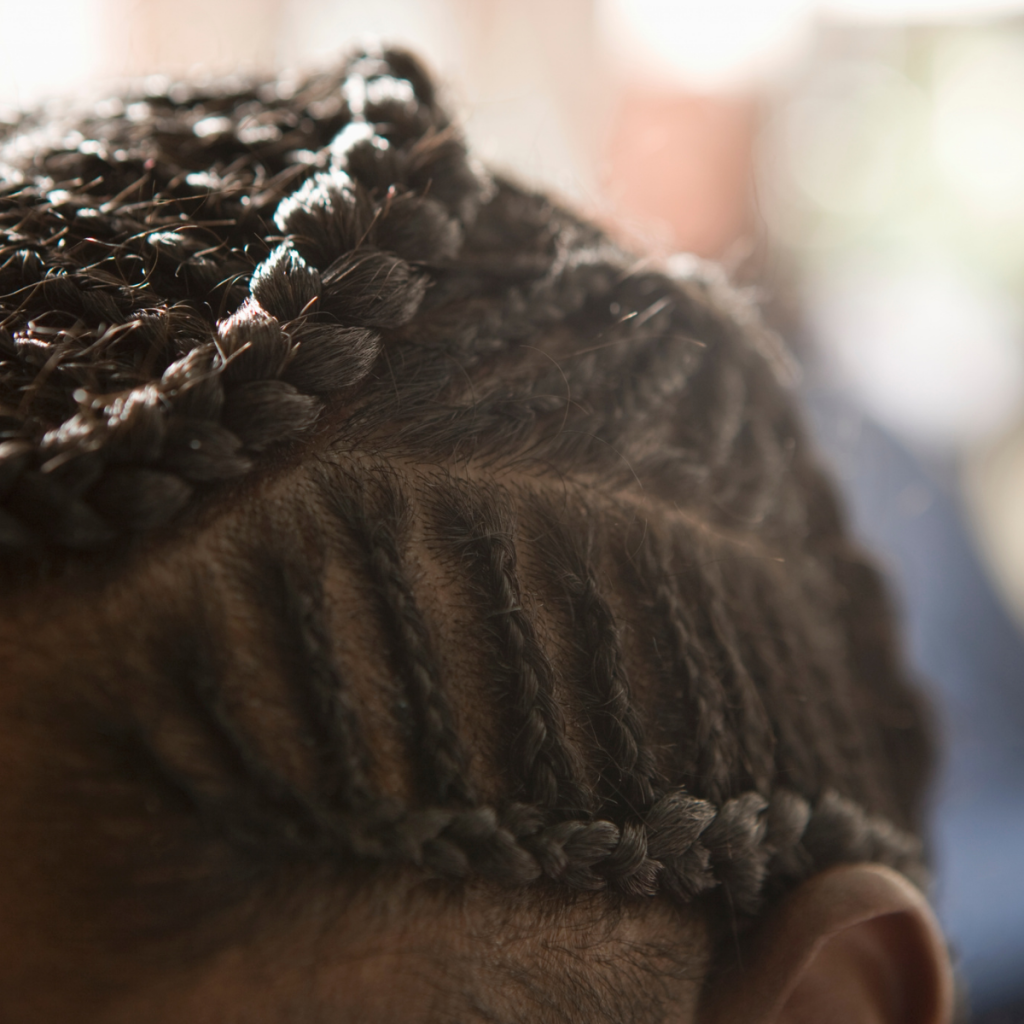
I got a funny experience here in Kisumu, which gave me a glimpse of how the world can see you utterly different from how you see yourself.
Growing up in what many consider conservative religion, I had very little else with which to compare my belief systems with. I grew up in a closed religion. We believed we were the only religion that made no compromise when it came to obeying God’s word and therefore considered it the only true religion and no part of the world. We followed God’s word to the latter, even had a Bible translation that we believed was the most accurate, and tailored it for proper study of the scriptures. Despite the common laws followed by most Christian or Abrahamic religions, we had a set of rules that we believed made the difference between a true believer and a non-believer.
We took pride in deep study and understanding of the scriptures above all else. We were trained on it from as early as you could speak, and daily Bible reading is encouraged to maintain the faith. For starters, preaching the word of God door to door was a commandment that we chose to live by. I remember my first time preaching was probably in class one, I accompanied my older sisters to the ‘ministry’, deep down praying I do not run into anyone from school.
‘Habari, naweza kupatia kitu usome na Bibilia yako ‘, I would say shyly to a stranger, handing them one of our Bible-based flyers or tracts like we call them. We would always call back, to cultivate the seed of faith in interested ones.
That is how I saw myself until I inadvertently overheard what these neighbours, strangers and the rest of the world thought about us.
In an attempt to find an affordable salon close to home. I walked into a simple mabati structure, painted odd black women in hairstyles I would never consider on my head. I walked into the hot white-painted salon by the roadside and found two ladies seated outside on a short bench who were visibly watching me and making judgments of how much my hair should cost. While I was walking past, one of them greeted me with a warm smile, that stayed on her face till the moment I was leaving the salon. She invited me in and we agreed on terms and away she went, working on my African 4C textured hair. At some point, one of the ladies rushed running towards the back of the salon, hiding. Everyone else, in shock and confused asked what was the drama about. She said she had seen ladies from my religion coming by and was avoiding being noticed by them.
“I invited them into my home, they said they were sharing God’s word. After they finished their message they said they will come back next week at the same time and I just agreed, I didn’t imagine they would even remember. ‘to kare jogi biro every week ni mondwa som muma, an tokadwar, en mana ni kakakon gi to onge!’ now they come every week to study the bible but I don’t know how to tell them I don’t want to’ “She explained in broken Eng-Luo from behind a curtain at the back of the salon.
I contemplated telling then I was part of ‘these people’ to defend our practices, but decided against it to find out about their perspective. And the banter went on and on, I could see how all those myths about the religion being tied to devil worship and weird behaviour came about. Simply here say. It was not only the preaching that set us apart, we had more strict rules and guidelines to abide by, which differentiated us from the communities we existed among. No birthday celebrations, our style of dress and grooming, the suits and ties, no Christmas celebrations, just to mention a few. As with most religions, doctrines and practices differ and give them identity. So it goes without saying that my childhood was quite different as well, being born into the religion.
One of the rules I always found difficult to explain and to abide by as a child was no birthday celebrations. I remember my pre-primary and primary school had traditions where some parents would send their children to school with candy and occasionally cake to share with their classmates and celebrate on their birthday. My religion, however, dictated that we are to have no part in ungodly traditions such as birthday celebrations, including not eating birthday candy, cake, or singing along. Imagine the amount of restraint it took a five or six-year-old me to watch cake and candy pass by. On a day when the school lunch served was half-cooked ugali and poorly boiled cut cabbage leaves, with soup that had one or two beans in it.
I was probably the least excited to hear about another birthday coming up. It was always a difficult day for me at school, I would have to explain to my teachers and fellow students why I was neither singing nor eating on such a joyous occasion, an explanation that sounded rather ridiculous to them.