Oral East Africa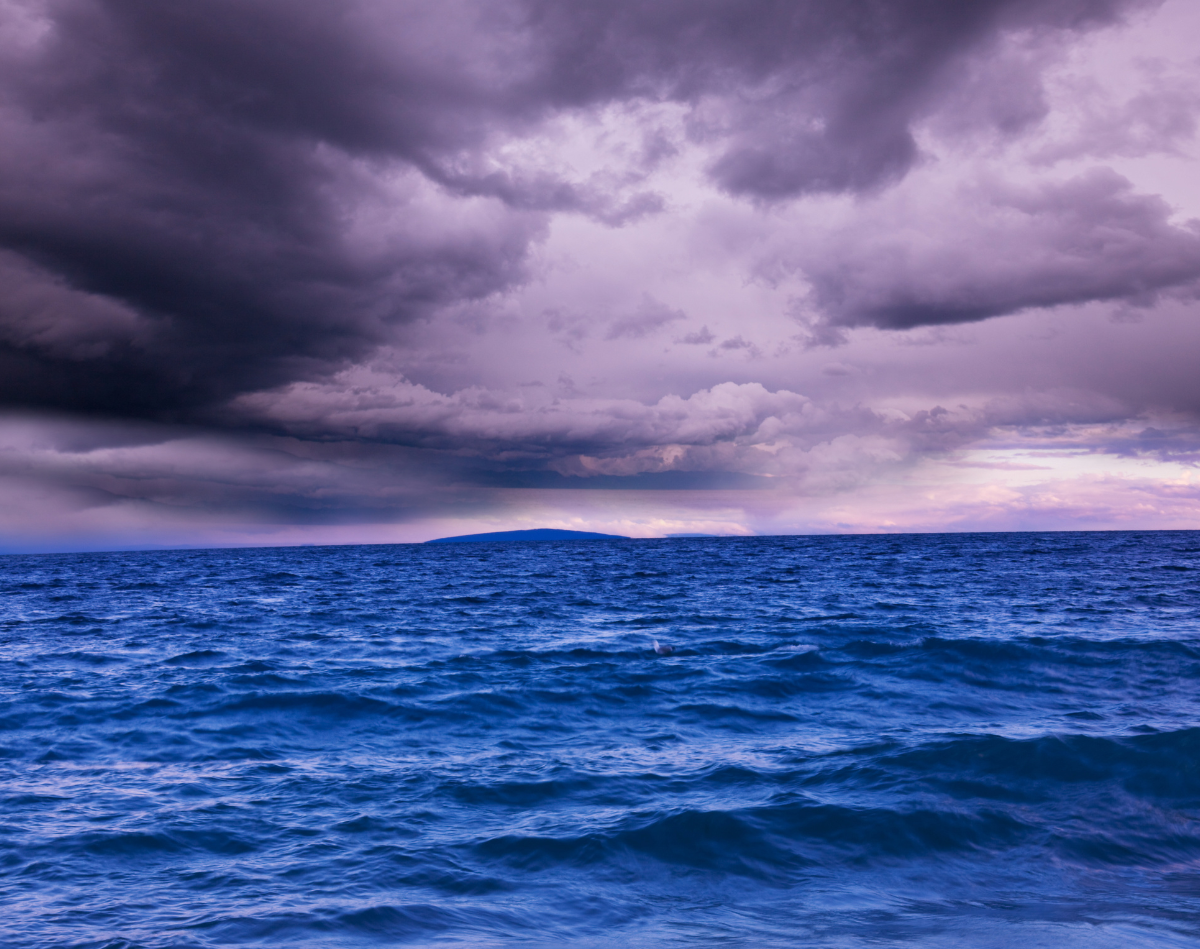
Despite growing up in Nyanza, this was my first long boat journey and my first visit to an island, marking only my third time on a boat. My earliest boat experience was as a child in Uhuru Park around 1994, a brief ride lasting less than 20 minutes.
The second was in 2012, filming a documentary on Lake Victoria at Dunga in Kisumu for my final year class project, which lasted under 30 minutes.
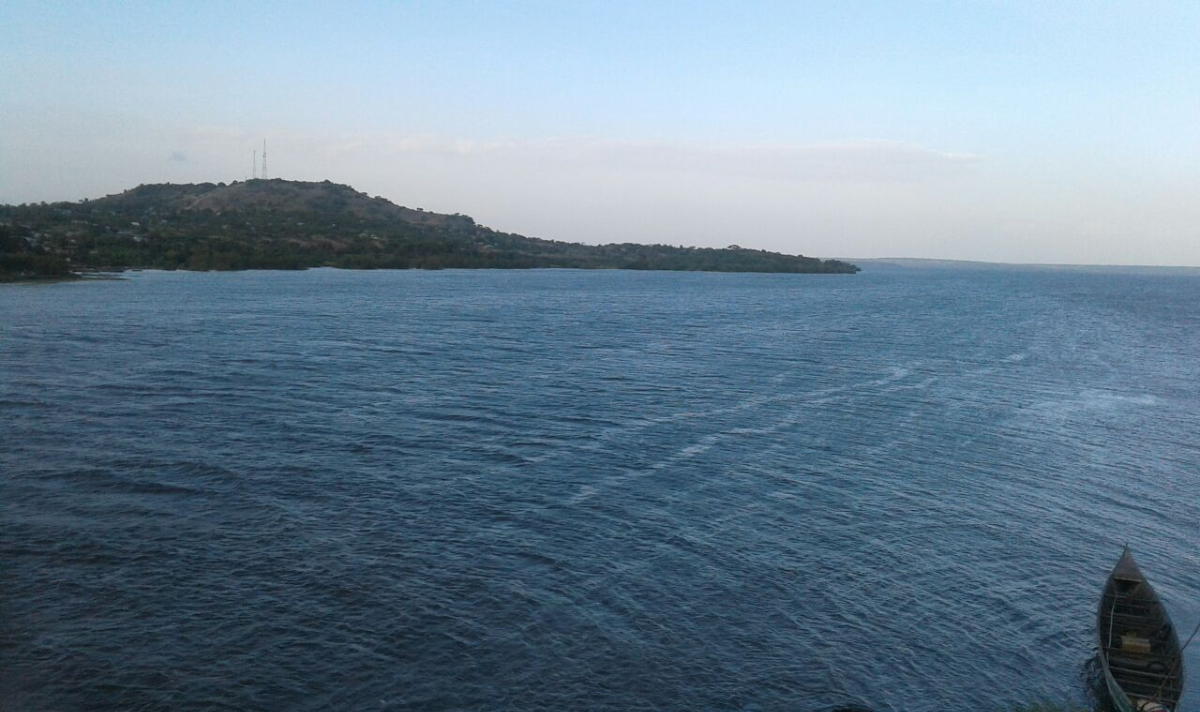
At around 10 a.m., we boarded the ferry in Mbita. The lake water was a grey foam mattress you could sprawl across and nap on- it was beautiful, calm, and inviting. Together with my work colleague Joshua, we had travelled from Homa Bay town and were headed to Wakula Health Centre on Mfangano Island to plan a free medical outreach for residents.
We had three travel options from the mainland to our destination: a ferry that only operated twice a day, a motorboat, or hiring a speedboat at the cost of a kidney. The journey took about an hour and a half. Along the way, I saw a beautiful small islands, a beach hotel I promised myself to visit, and several beaches bustling with fishing activities-boats docking with fish and men and women pulling nets locally known as ywayo rimba.
Read also: Kenya’s inexpensive Christmas
We completed our business but missed the 2 p.m. ferry back to the mainland, as the earliest we could leave the health center was about 3:30 p.m. This left us with two options, sell an organ to afford a speedboat or board a locally assembled motorboat.
Our host had warned us that the lake “is never good” after 4 p.m. and suggested we stay on the island. It was 2015, and staying wasn’t practical. The nearest hotel was a luxury one we couldn’t afford, and the alternative- tiny, one-room shelters by the shore which felt unsafe. Plus, we had left our car parked on the Mbita mainland and needed to return to drive to Homa Bay, where we had booked hotel rooms.
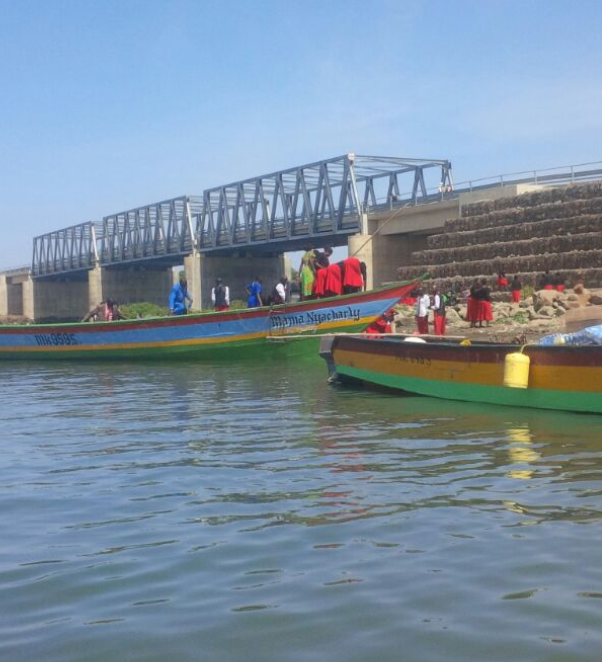
We found a half-full motorboat waiting for four more passengers to depart for the mainland. It carried a motorbike, a couple of jerrycans, empty soda bottles in crates, four women, and two boat operators. A nearby boat, headed to another island, had a dozen passengers and two calves. Joshua and I, clutching our laptop bags and looking out of place, were ushered aboard, to the relief of the other passengers eager to leave.
By 4:30 p.m., the waves were bigger and rougher, and the water darker than in the morning. The captain started the engine, and the boat’s nose lifted as we left Mfangano.
About 15 minutes into the journey, the weather turned. The clouds heavily pregnant with rain, darkened and moved closer to our heads as the waves swelled, violently rocking the boat in bursts of up and down motion. Water spilled into the boat, and the skipper casually tossed two plastic containers to us. Like an army drill, two women took que scooping water from the boat’s floor back into the lake.
Thunder rumbled, and we were surrounded by endless water-no beaches, islands, or boats in sight, just water and a black sky. The waves grew so rough that the engine died at one point. The operator left it off, letting the boat ride the waves. Everyone was silent except for the two operators, who spoke to each other in words we couldn’t make out.
Joshua clutched his laptop bag to his chest, head bowed, not saying a word. I felt water seeping through the cracks in my shoe soles but couldn’t tell if it was cold. None of us had life jackets; the small boats back then didn’t carry them, whether due to superstition, negligence, or disregard for safety.
One woman secured a jerrycan under her foot-a bad sign. I’d heard stories of people using jerrycans and troughs as floaters in emergencies. I recited every distress prayer I knew in my heart. At some point, my mind wandered to the rabbit tails I kept as a kid, believing they brought luck, though I mainly kept them to count how many rabbits I’d eaten off my nest.
After about an hour of torment, we finally spotted something other than water. “Are those not the stones where so-and-so were rescued when their boat capsized?” one woman said, breaking the silence in the most unsettling way. “Yes, they rescued only three people, and the rest weren’t found for days,” her companion diabolically added. I couldn’t fathom why they chose this conversation, perhaps to scare Joshua further, who by now was dazed, his body present but his mind and soul had teleported.
As we neared the Mbita mainland, the waters became bearable, though still rough. Behind us, the sky was white with rain, but the boat operator announced it was raining in Mfangano and nearby islands and prophesied it wouldn’t reach us. Had it rained, we would have had to shield ourselves with a polythene sheet or endure the wind and rain until we reached shore.
We arrived in Mbita to our relief. I said to Joshua, “Finally, we’re here,” but he didn’t respond. Beach boys waded through the high tides to carry us on their backs, as the water levels had risen, and we risked getting soaked further. We paid them, located our hired Suzuki Escudo, and drove 40 minutes to Homa Bay. Joshua remained silent the entire time, only muttering “goodnight” when we reached our hotel rooms.
Over dinner and a bottle, I reflected on the day. Briefly about the evening terror but constantly about the beauty of the islands and hotels I saw during the morning journey lingered- their serenity calling me back.
I promised myself I’d return to Mfangano and Sena Islands someday for pleasure, not work. One thing was certain: I’d never be caught on the lake after 3 p.m. again. I did go back, but boy was I was not mistaken about being caught in the lake late? That’s a story for another day.
Discover more from Orals East Africa
Subscribe to get the latest posts sent to your email.