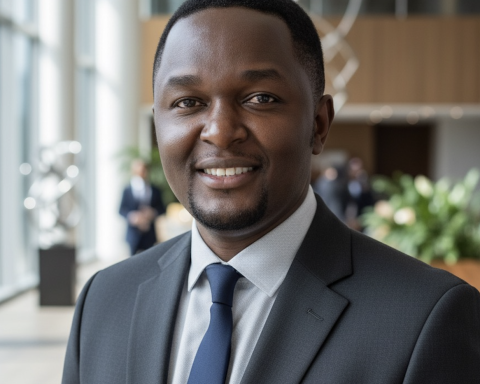
 Emmanuel Oyier
It was the first week of April 2025, I had just had my second-born son when I received a phone call from Bill – a seasoned communication practitioner in the development sector. He was checking up on me following the tragic news of not just withdrawal of USAID funds but abolishment of the entity altogether.
Had this been 9 years earlier I would have been jobless having had our project halted mid-year due to issues at USAID, because it happened to me in 2016. Even before the 20th January stop-work order by President Trump, USAID-funded projects in Kenya have had a history of abrupt ending before serving their full cycle; we even have an inside joke in the non-profit sector that you never join a USAID-funded project in its 3rd year if it was a program intended for 5 years like most were- because at that point it is literally on its death bed.
Read also: The man who turned condoms from taboo to Nyanza songs
Bill himself, before moving to other ventures, had worked for several USAID-funded projects and was no stranger to the intrigues of USAID abruptly halting projects, even though they are one of the best-paying entities in the development sector; be it education, agriculture or health.
In our conversation he went ahead to tell me what former colleagues and acquaintances were going through. Schools were almost closing for the April Holidays then re-opening soon after, and former employees who had lost their jobs were in distress.

“Oyier people are trying to dispose cars and selling land at a fraction of their actual prices just to raise school fees. This stop-work order has really thrown families in disarray,” he said.
“Imagine a family where both partners were working for different USAID-funded projects, and now out of nowhere the income tap is shut. What do you do? How do you explain to children that they are going to change schools….?” we went on in the conversation to discuss mental health and how it is important for men to curve our identities separate from items like the job titles we hold, where we work, the schools that our children go to, among other things.
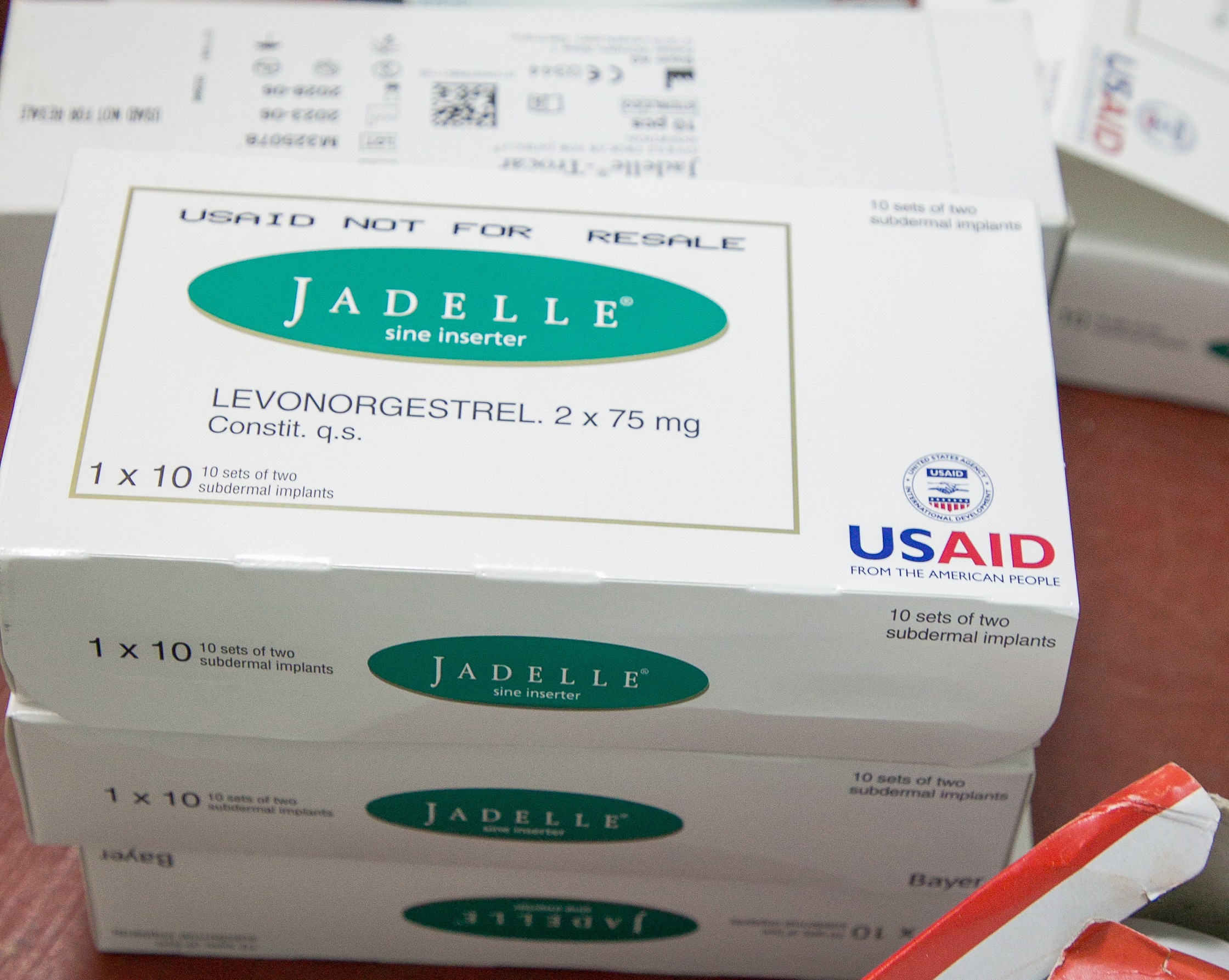
One might say that this is any other ordinary job loss, but it is not. Between 2001 and 2024, USAID’s cumulative aid to Kenya’s development sectors totalled $9.74 billion (about Sh1.26 trillion), averaging roughly $405 million annually and employing tens of thousands of professionals, besides its direct employees.
It is not only individuals that were affected. Hotel businesses felt the effect of bookings, car hire business had their fleets lying idle after the abrupt chord was cut and several landlords are now looking for new tenants with far less financial muscle than their former USAID-funded tenants.
One of the more profound impacts beyond the livelihoods of employees are the disruptions caused in the health system that USAID was heavily invested in. The Kenyan Government has to raise Sh59 billion towards healthcare (The Ministry of Health told parliament that it needs an additional Sh59 billion to plug the funding shortfall exacerbated by the USAID freeze, including for unfunded priorities in the 2025/2026 financial year).
Additionally, at the program’s implementation level in the counties, there’s apparently a huge deficit for ‘support’ in county interventions that were heavily reliant on USAID-funded projects and its affiliates. Right now, countys have to look inwards for their own resources and work with the local CSO partners who, despite their lean purse, have always been presented to co-create and implement with the local governments.
This may be a blessing in disguise because due to availability of these funds to “support” county governments, it means that either they did not use health budgets for intended purposes or they failed to budget for them, diverting the money to more “lucrative” sectors other than health.
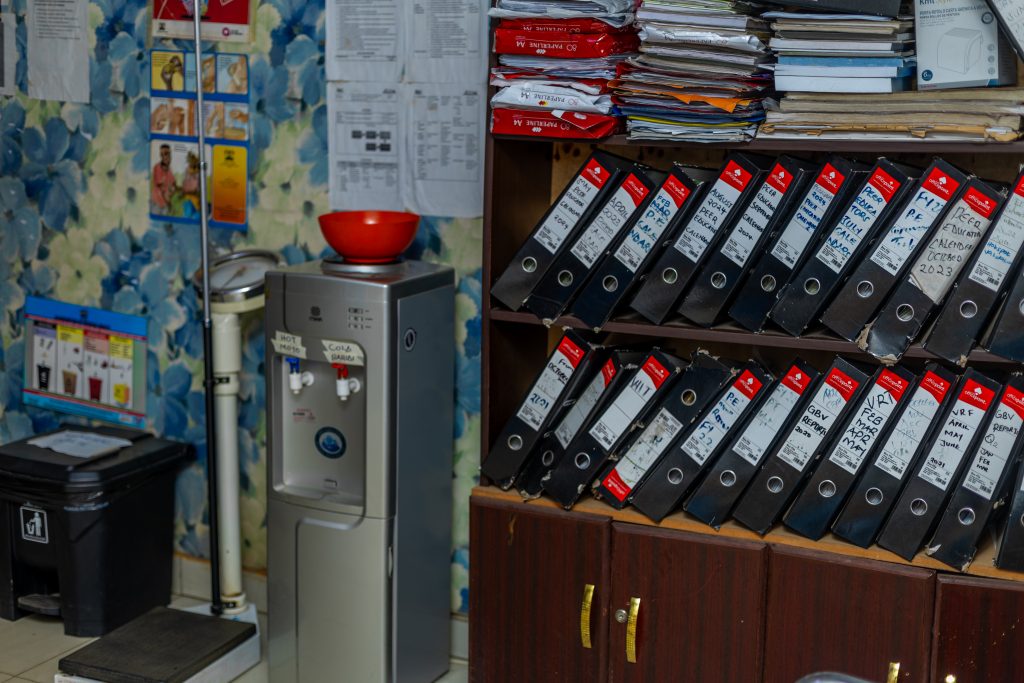
Despite being somewhat well thought out, having massive budgets and covering several sectors of the health system ranging from community services to health facility-related services, USAID project implementation has had its flaws.
The glaring one has been the model of funding where big international organizations with steep staff overheads would bid for the money overseas then subgrant it to other entities, who would again broker the contracts downward to local organizations to do the actual implementation. Perhaps, to their credit, by the time of its abolishment USAID tried to correct this by championing the ‘localization’ drive, where funding was to be directed to local organizations that are directly in touch with the people rather than granting international NGOs to subgrant local entities to carry out the work.
The problem with the old model of work that prevailed for long was that the international NGO, often with a country office in Kenya which would keep the lion’s share of the resources in the name of technical support, then would seek to subgrant smaller and highly effective organizations who are directly in touch with the people with the remaining resources, which was barely enough to run things. With little resources, it meant the local teams had to compromise on their salaries and house allowances, hence the quality of talent acquisition, which had a direct co-relation to the quality of work delivered during implementation- in short, the common wananchi were getting the short end of the stick.
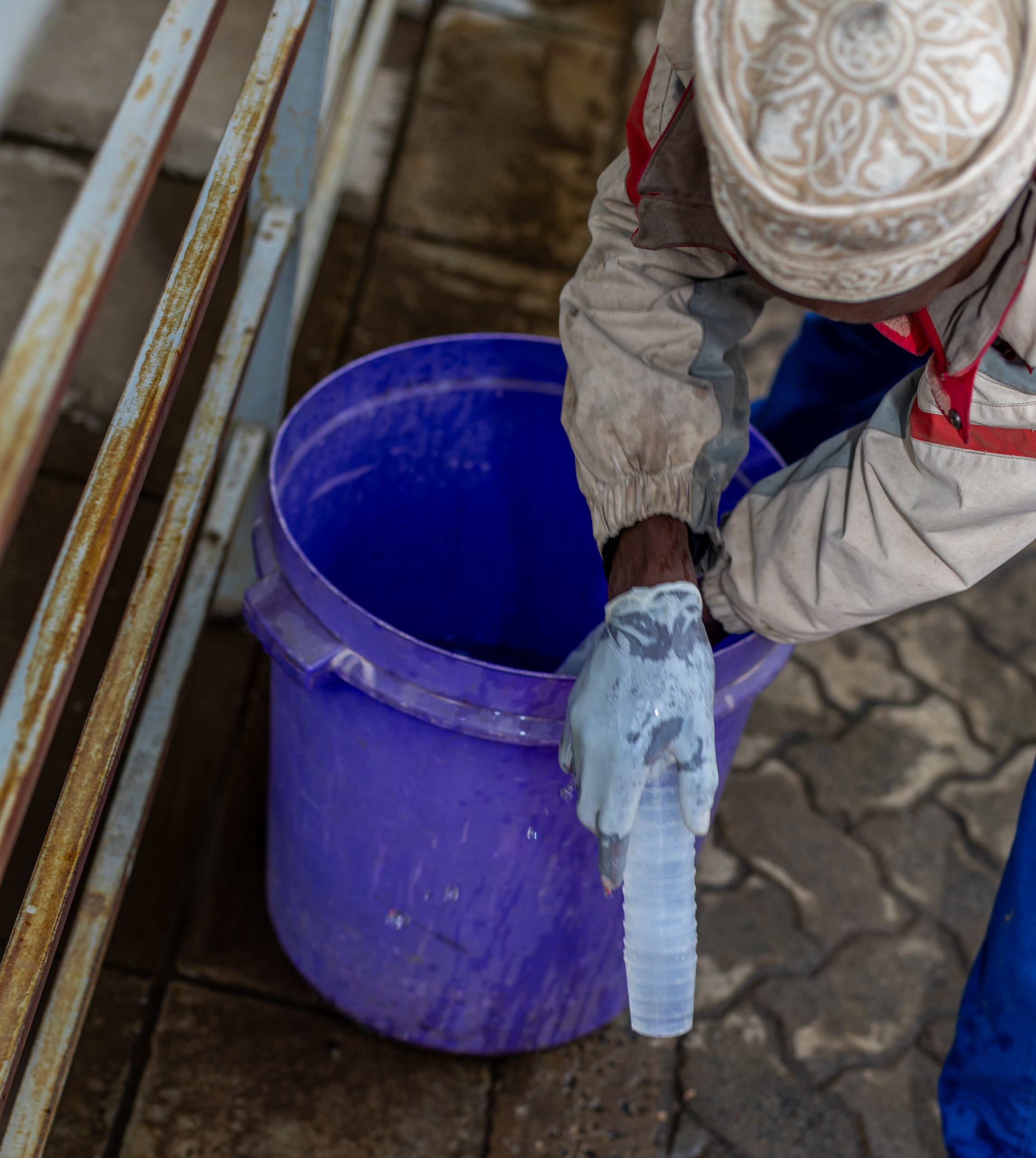
Instead of aligning its interventions with existing Ministry of Health (MOH) and government structures, USAID-funded projects tended to create a parallel intervention system, which are the ones causing the biggest disruption. A case in point is hiring of nurses and other health professionals to run HIV and TB clinics that run independently from other health facilities in a health system where it has been proven that integration of services is the best way to enhance access.
A local executive director in one of the indigenous organizations working in Kisumu used to make a joke of it, saying if she was the board chair of any of the government facilities, she would chase away the medical personnel hired by USAID from public facilities and have them rent their own private offices. “How do you explain, having a long queue of patients that will run for hours being attended to by one medical practitioner in a public hospital and having 2 other medics serving just five patients in a day and they would never step in to help with the other patients because they are ‘USAID project staff’? It is insane,” she exclaimed.
Also, you may remember the debacle between USAID and KEMSA that saw ARVs stay at the Kenyan port for 120 days when USAID insisted the drugs must be distributed by Chemonics, an American-owned entity, while Kenya has a state-owned entity KEMSA that is mandated to stock and distribute medical supplies.
Another flaw is the widely criticized Mexico City policy, or the Gag Rule, that came alongside USAID funds, which posed an impossible choice for organizations and facilities that were offering integrated and comprehensive services by asking them to drop some services and offer some yet the client being served is one. (The Global Gag Rule, formally known as the Mexico City Policy, prohibits foreign nongovernmental organizations that receive U.S. global health assistance from providing information about, referring clients for, or performing abortions, even if using their own non-U.S. funds, effectively restricting comprehensive reproductive health services in programs funded by USAID.)

For those who truly appreciated the benefits and shortcomings of the design of the USAID funding model, the writing was always on the wall, and it was not such a big surprise when Trump pulled the rug from under USAID. The fund had to restructure.
Before the January 20th stop-work order, a lot of organizations had made deliberate decisions not to apply for USAID funding that came with too many strings attached and unpredictable ending of funding. Non-Profit CEOs were tired of having to hire and fire staff every time the republicans came into power in the US. They started applying for smaller grants from other entities. They were leaner budgets, yes, but they came with less bureaucracy, there was agency by grantees to implement, and fewer strings attached. Organizations went for several of these grants and other non-conditional grants by philanthropists that offered more effective support to causes that these institutions believed in, and which are of course, influenced by the needs of the communities they are answerable to.
I work for such an organization and when Bill called and I told him that since 2016, after we sent almost 20 of our staff home abruptly due to a funding cut and another incident in 2021, when we were faced with the impossible limitations of the GGR global gag rule, we decided to look for alternative funds, hence we were not affected this time. We are championing what we have always championed and going back to basics- local resource mobilization for health. Governments must fund the health of their people, with the private sector only chipping in. Our organizations are also advocating for the integration of services, as we have always had. For instance, having the HIV services integrated with the rest and supporting the entire health system to be stronger, not dividing it into silos.
Finally, the funding landscape is changing in favour of local organizations receiving direct funding and leading implementation, as well as working in networks and consortia of locals (CBOs and local NGOs) to increase impact. Even as we move on, we cannot downplay the impact of the withdrawal of the fund.

Discover more from Orals East Africa
Subscribe to get the latest posts sent to your email.