 Agnes Ogula
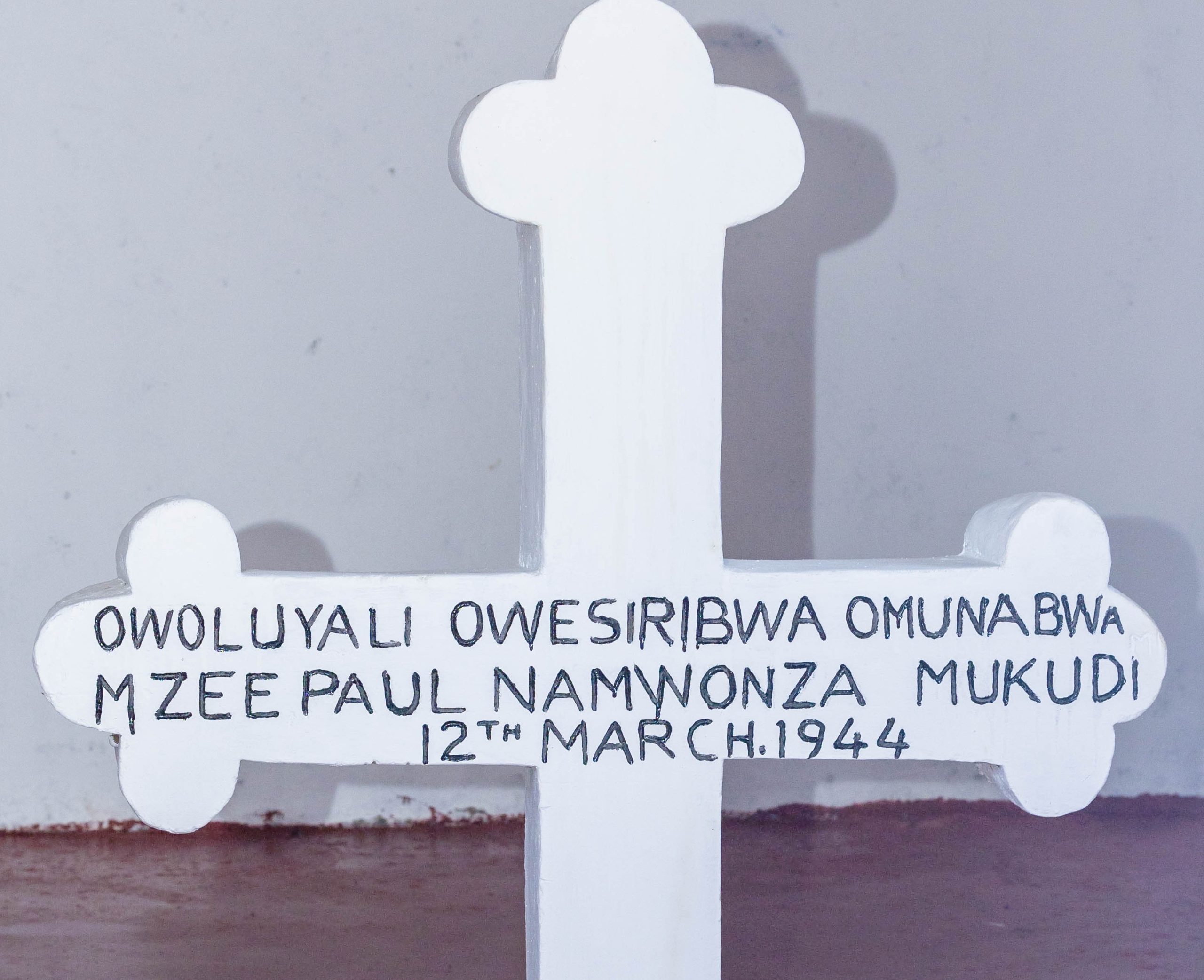
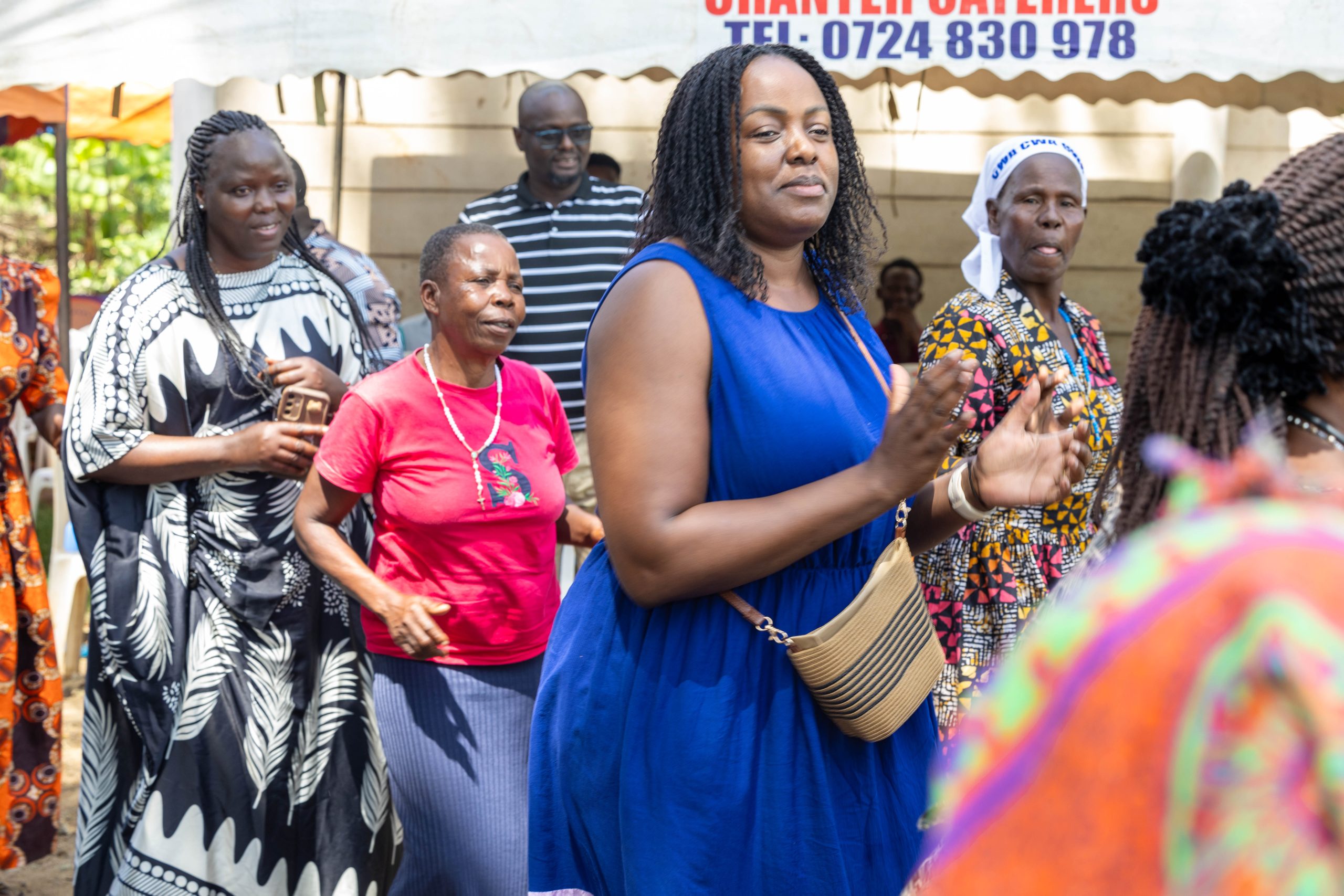
In December, the blood of Paul Khasamba Namwonja Mukudi flowed back from its hundreds of tributaries back to its source at Idokho, Rugunga where the king rests, for the first memorial by his progeny.
Namuonja Mukudi who today would have dominion over Nyanza and Western Kenya and parts of Eastern Uganda was a pre-colonial ruler whose reign ended under colonial decree when the British settlers favoured the Wanga King to rule over Kavirongo Gulf.
Luhyas, Luos and Baganda find themselves carrying his blood from the reaches of his empire as far as Mulambo Majimbo, Yimbo Kadimo, Bukhwaya in Osieko (present Bondo Sub-County, in Siaya County)), Busonga Bumwango Mwango hill in Alego Usonga and Odiado (Ugenya Sub-County, Siaya County), Bukangala and Bukhekhe in Samia (Samia Sub-County), Bukhayo in Matayos Sub-County, Buongo, Mundika, Bukhuma in Bunyala Sub-County, etc.
In Lake Victoria, he is said to have ruled over the islands of Sigulu, Khama, Sumba, Makera (Mageta), Jagusi, Wayasi, Lolwe, Siro, Migingo, Ringiti, Oyamo, where he maintained relations through intermarriages.
Sigulu island was divided into the eastern and western parts. The eastern part belonged to Kenya and the western part to Uganda divided by River Somokho through Bukhoba, Buyanga and Somokho. The Kenyan side is referred to as Sigulu Manga or Sigulu Emawanga from the Luganda word Banamawanga which means foreigners. Sigulu Manga includes Bukhoba, Matolo, Somokho, Buyanga (from his Abamulembo sub-clan of Abayanga) and Mundakwa, and extended to the mainland at Maduwa in Majanji, and Buonja (from his name Namwonja) in Busoga on mainland Uganda.
Namwonja had homes at Buyanga on Sigulu island, Jagusi Island, and Buonja.
Read also: Married at Namalo Part 1
During colonialism, his boundary with Uganda on the islands was marked by stones called Musambwa near Sumba Island, Munene at Siro island, and Mwango at Lolwe Island. Mwango stone is marked with K and U to indicate which part belongs to Kenya and Uganda. Nearby is colonial boundary at Lolwe Island popularly known as Singila (signal) which had lights which used to direct ships and boats at night, from and to Kenya and Uganda, but was vandalized by those looking for mercury. The boundary between Sumba Island and Sikhoma hill goes upwards to Bumalenge Bugiri in Busoga Uganda.
The ships changed flags when they reached either Kenya or Uganda side at Munene, Musambwa, and Mwango stones, etc.
Paul Nawonja Mukudi was a hereditary king from the ruling dynasty of Abamulembo clan. He was the first born son of Omwami Mukudi Khainja and Akelo, daughter of Agalo Omunyekera of the Abayima sub-clan of Abanyekera clan and Kombo Nabukaki, from Ababukaki (Luo Kaugagi) clan.
However he was such a charismatic leader, who attracted huge following beyond his tribe. His had great reputation as a music lover who entertained himself and his visitors by playing Indongoli (a small size of an eight stringed musical instrument called Obukhana).
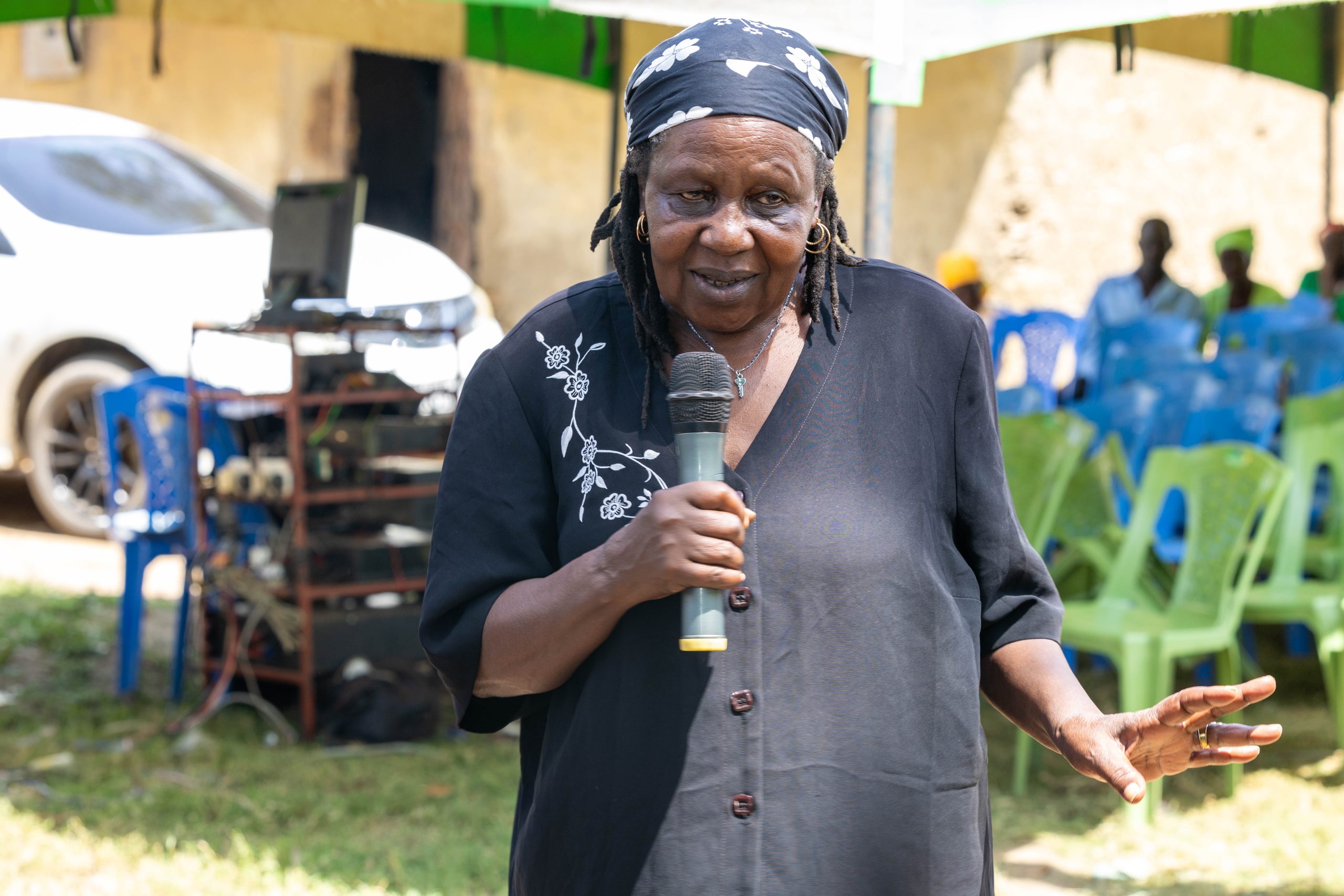
As a result, he got many of his wives from ruling clans through friendship and ended up with 34 wives from different clans within his kingdom. In return, many chiefs married his daughters. His activities for better relations with neighbouring chiefdoms through intermarriage and trade helped improve understanding between chiefdoms.
He changed the organizational structures for consistently higher achievements, and did everything in his power to improve the living standards of the people. He empowered followers and integrated them to becoming leaders and thus collectively they transformed Bunyala.
He appointed his class relevant as rulers, but allowed his maternal uncles Abanyekera of Mugasa and Runyu in Buofu Sub-Location to have their own leader.
During his reign, the kingdom enjoyed peace, prosperity, high living standards, and expansion; the kingdom’s golden age. Some people called him the best omwami Bunyala ever had.
When the British colonial government established its rule over Kenya and Uganda, they found independent kingdoms and chiefdoms being ruled by the local people and Wanga Empire then being ruled by Nabongo Mumia was just one of the independent groupings. These groups did not see Wanga as superior before the arrival of the Europeans.
Europeans arrived in Namwonja’s country during his reign. Being an intelligent ruler, he did not resist the establishment of British colonial rule. This is because he knew that the British had superior weapons and waging war against them would lead to death of many young people.

The colonial administration established Kavirondo District covering Western and Nyanza regions, and split the district into North and Central Kavirondo. Mumia became the Paramount Chief (King) of North Kavirondo District to which Namwonja’s kingdom belonged. At first, Mumia appointed the local chiefs as his headmen. But when in 1912, Bunyala, Bukhekhe, Busonga and Samia were amalgamated to form Samia Location, Mumia appointed his brother Kadima as headman of the new location and in 1913 as the area chief. All the local chiefs and king Namwonja became his headmen.
Namwonja became a mere headman under colonial rule but the British allowed him to remain the traditional king of his kingdom at the same time. Therefore, Namwonja held both the traditional and colonial portfolios.
In 1918, headmen Namwonja Mukudi, and Ngira Ng’ayo were demoted and replaced by their sons Mukudi and Omala as headmen of Bunyala South and Bunyala North respectively, because Namwonja refused to go to Mumias to have anything with Mumia and the Wanga agent (Kadima). This was probably because Namwonja saw himself as a king equal to Mumia and did not see the point of being summoned to a meeting by a fellow king.
His attitude may have informed his erasure from history but it probably influenced his children who led the anti-colonial fight in Nyanza.
His grandsons were among those who fought for the liberation of Kenya from British colonial rule, among the Mau Mau fighters who were imprisoned in Hola Mau Mau Concentration Camp.
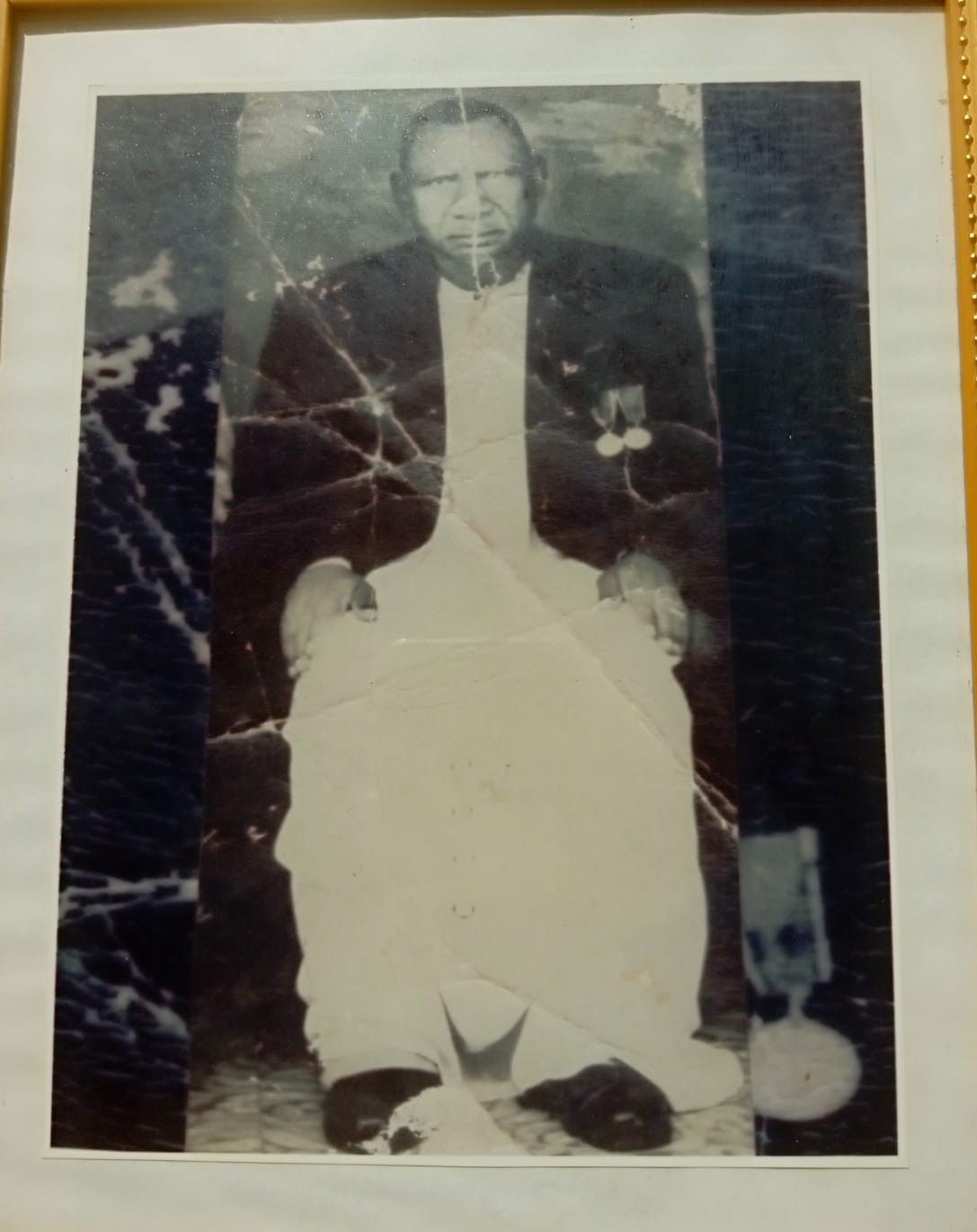
His brave son Ex Senior Chief Mukudi took the Mau Mau oath in his retirement, coordinated Mau Mau activities in Bunyala, and was arrested and imprisoned in Kajiado Prison in 1954 before he was released in 1955.
Mukudi’s son Peter Okelo was the in charge of the Mau Mau oaths in Sisenye forest and had to go into exile in Uganda when he was being sought by the colonial administrators.
Namwonja was a wise, intelligent and a capable charismatic visionary leader; a peacemaker and creative king who often came up with new ideas that were in the service of the common good. He used leadership practices that showed he was a leader.
He was the father of brave intelligent and unwavering sons and grandsons who were among Abanyala who fought for the liberation of Bunyala from Wanga, Luo and Abasamia dominations, and for the creation of Bunyala Location now Bunyala Sub-County and Busia District for the Abaluyia and the Teso.
Namwonja’s grandsons, Samwel Sumba Mukudi and Bernaba Mukudi were the brains behind the creation of Kenya’s Court of Arms, and the Jogoo symbol on the Kenya African National Union (KANU) flag, when they were the first chairman and clerk, respectively, of Busia County Council at independence.
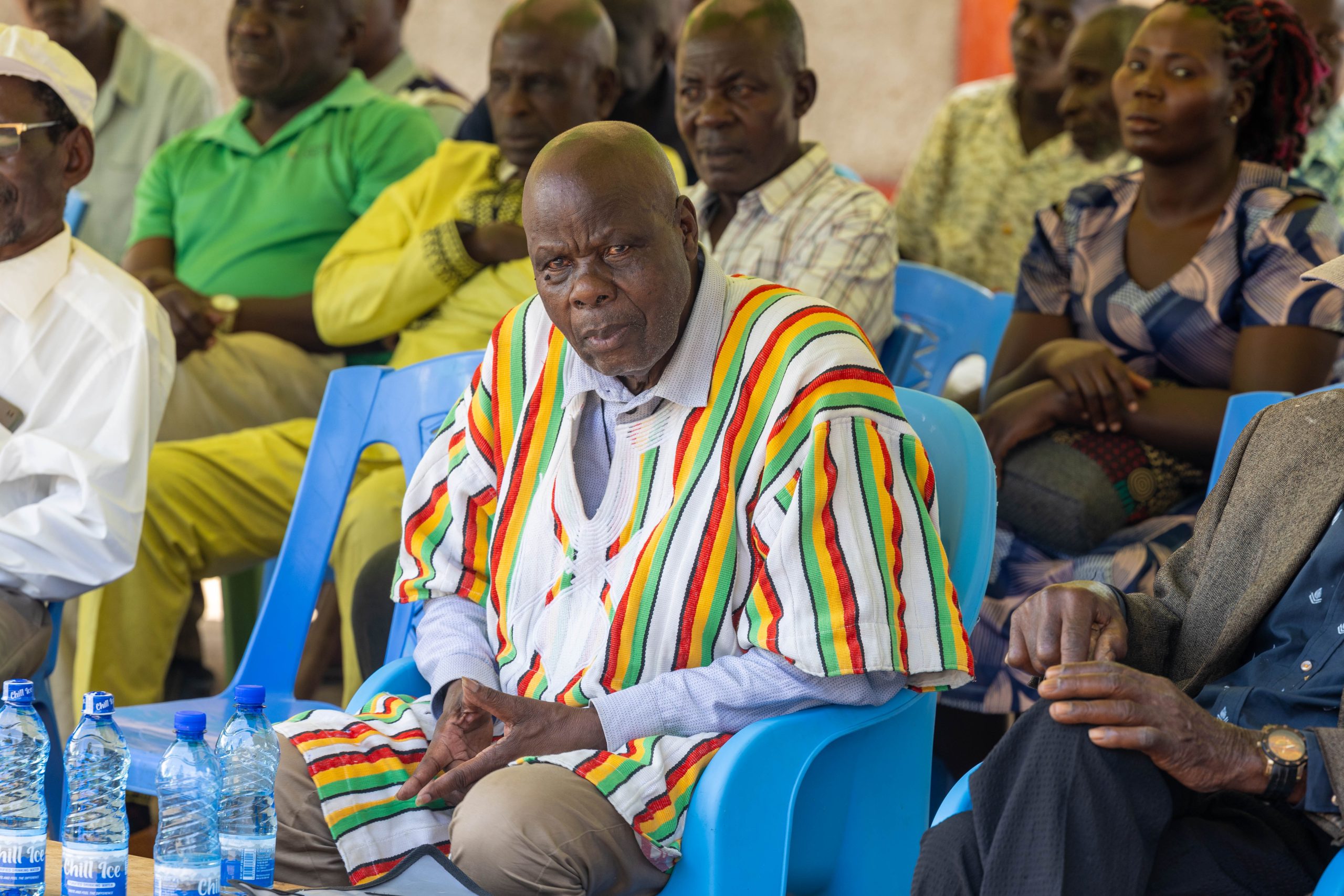
This December the great assembly will bring even more of his great children together in what should shape the political and social landscape of Nyanza as our great grandfather would have envisioned.
Only then can we have a chance

Agnes Ogula
Discover more from Orals East Africa
Subscribe to get the latest posts sent to your email.