 Otiato Guguyu
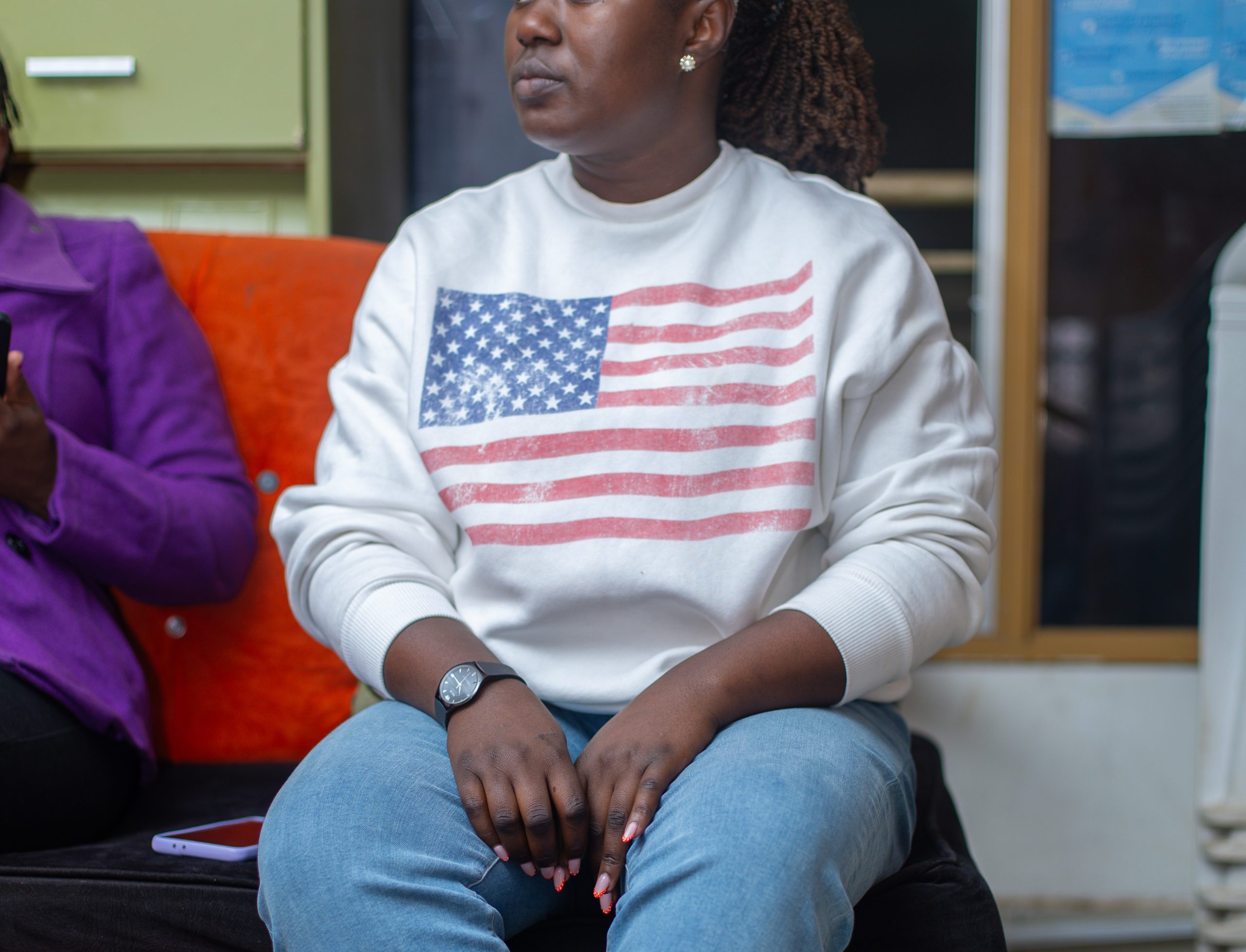
I grew up in USAID estate in Kisumu.
When I was my son’s age, we used to call it ‘You-Said’ or rather Uuusssaid with all the Luo accent you can imagine into the sss, and for a time that is what I thought it meant, only to discover it was a gift ‘From the American People’. It was the outbound of empire’s real estate boom, constructing affordable housing for servants of the Middle Class Tom Mboya estate and maybe to solve the problem of Obunga slums, the typical urban Siamese for affluent areas in Kenya that have plagued this colonial project since its inception.
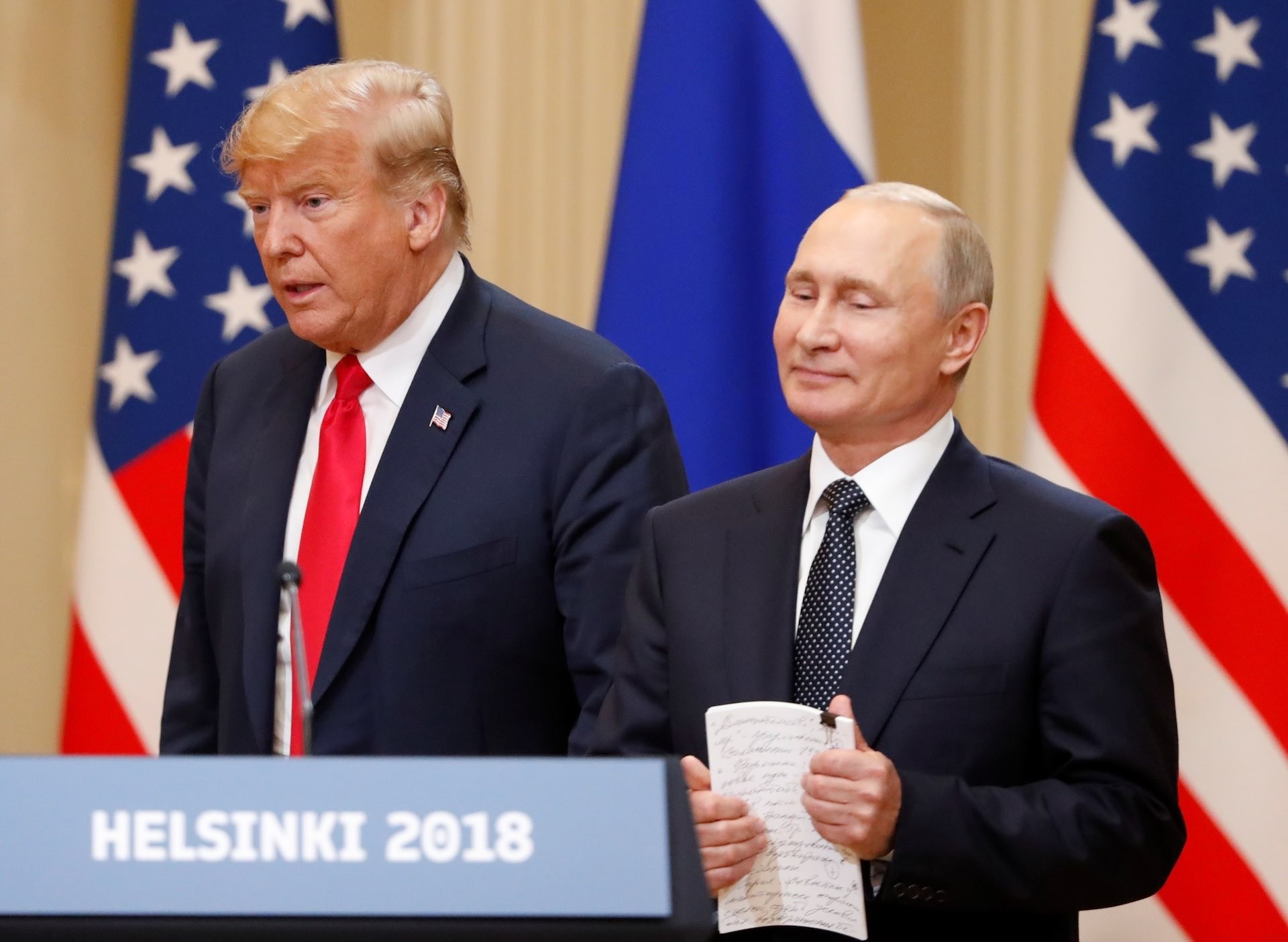
Today, what we know about USAID, according to the right-wing Americans, a formidable bribery and propaganda soft power machine deployed by US President J F Kennedy against Soviet Russia. While it was a triumph of the post-1990 liberal order, its sacrifice, as America’s Donald Trump capitulates to Vladmir Putin’s war in Ukraine, is a forked turn of history.
Everything we have known since the collapse of the Berlin Wall in 1989 is now moot; that is, everything that I was told was true since I was born is no longer true, and we all have to wake up to that fact right now. I was born a month before the Berlin wall collapsed, to a bank clerk in Kisii and a teacher from a remote Manyala tribe in Western Kenya. We moved to Kisumu soon after, as my father internalized the export of the American dream and pursued his Kenyan middle-class version of a small monogamist family, a permanent and pensionable job, a retirement house, and a vehicle related to ascertaining acceptance in the societal environment, according to Dr. Bernard Lango, PhD.
Read also: Africa falls in love with China’s deflation, as US dreams America first
He perched his nest on USAID estate slumping ambitiously just off the rocks of the hilly Kisumu’s Robert Ouko Estate, that in those days housed the real middle class, the state officials and the elite who could afford to live in gated communities.
After America won the war against the Soviets, it made the first great retreat, sending in the International Monetary Fund (IMF) to audit the state largesse that had funded these lifestyles and institute structural adjustment programs. During those years of the American withdrawal, the currency went belly up, inflation soared, banks collapsed, the jobs were wiped out and retrenchments sent our fathers retreating to the villages, and into a new economy of non-governmental organisations supported by a shift of the American Aid.
We left Kisumu town for Busia in 1999 and when I returned to it now a city, a quarter a century later, all the houses around Robert Ouko Estate had been replaced by non-governmental organisations.
Donald Trump’s decision to shut down USAID after the Republicans weaponized politics against its use to push the leftist identity politics agenda, could not come at a worse time. Just when empire had sent the IMF back to dismantle the patronage around government.
This means that in this second retreat ‘From the African People’, America is ending the structures that held both the government and the non-government civil society space in place.
Countries that are literally broke, trapped in unsustainable dollar debts after the USD rate spiked, have no capacity to absorb the budget lines that were being funded by the Americans.
As such, the Kenyan state is being forced to change in ways we never imagined in our wildest dreams, and nightmares; but it is changing none the less.
I have interviewed several individuals who used to receive money from USAID and from what I gathered, the withdrawal will require more painful re-adjustments than African states are willing to admit to. From fractured food value chains, uncertain medicine supply lines for PLHIV (People Living with HIV) to reversal of the gains that had been made to end AIDS by 2030, that lay just within reach.
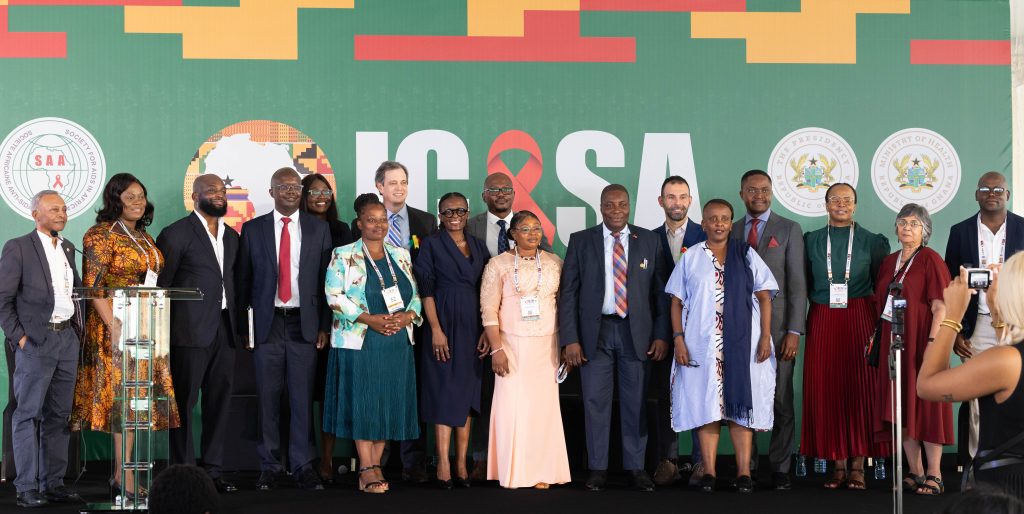
Most of the respondents on camera remain stoic with indifference, but feel hurt by the sudden disruptions, the break of trust and sanctity of contracts by the Americans. While they are hopeful that the money will come back, in some way or form, they are not prepared for doomsday scenario that is inevitable if it does not.
What I saw was stasis, like deers caught in the headlights of an oncoming car, and unless we will ourselves to move, the fly will no doubt follow the corpse into the grave.
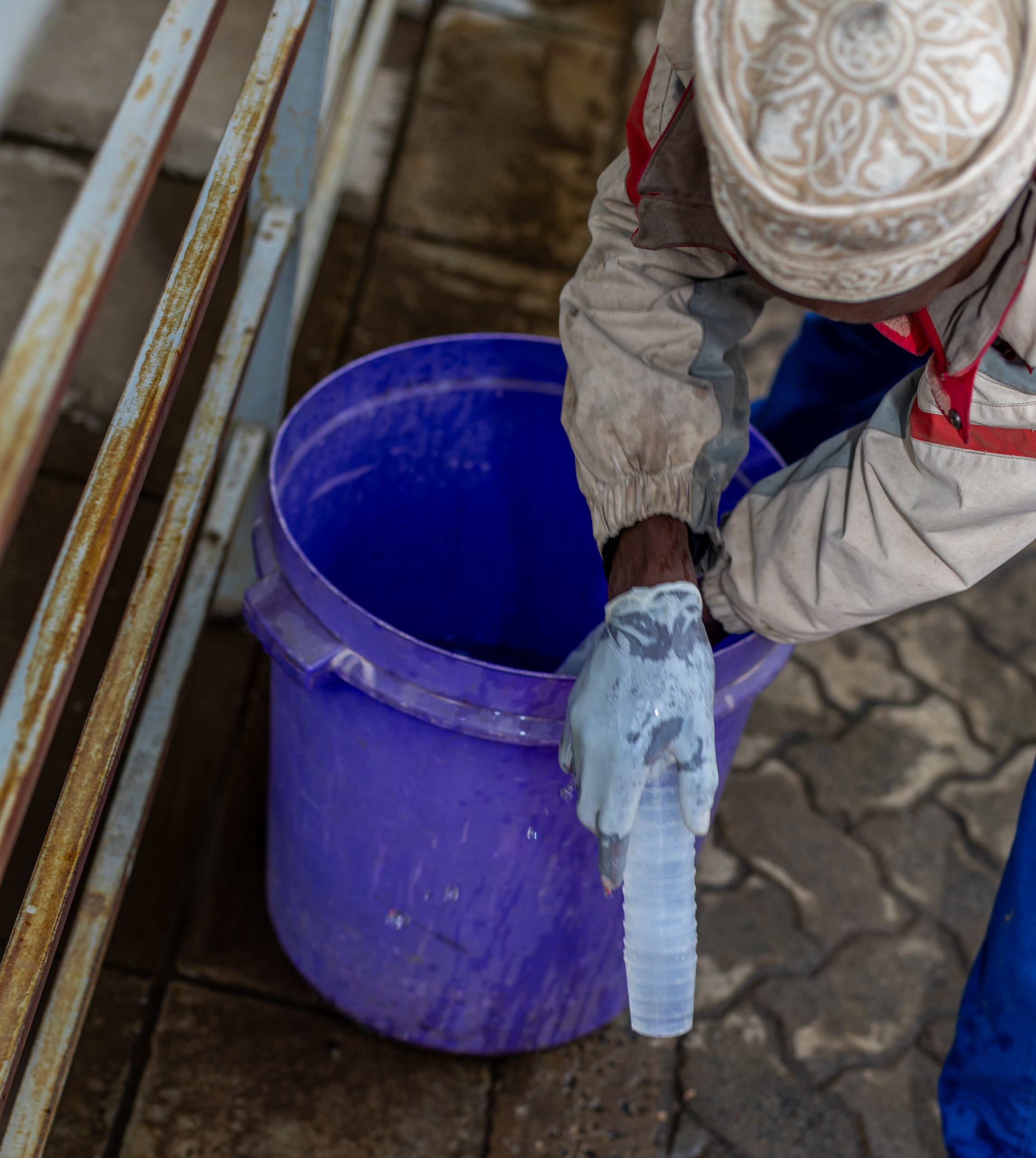
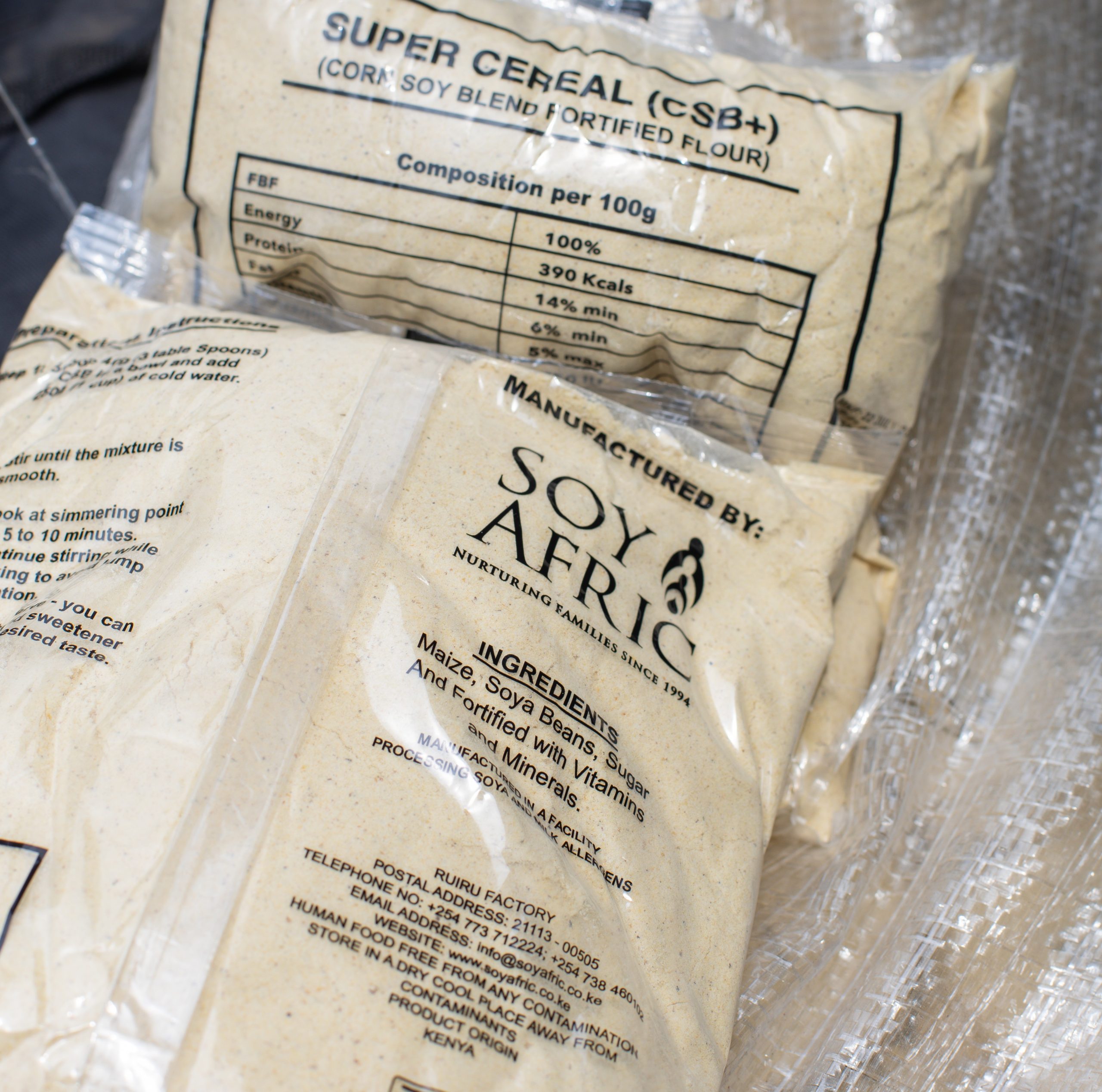
Besides democracy and the dollar, America’s most subsidized crop, corn – maize, mahindi – is what the colonial economy turned into Kenya’s staple, in the process exposing the economy to the Americans.
Invented by native Americans, the crop conquered the world under the rise of the American Empire from the ashes of the Pax- Britannica. Boosted by the oil fertilizer boom, America gave the world the corn empire, dominating global markets for gasoline, animal feed, corn oil and human consumption in Africa where it was popularized as the great agrarian revolution, despite the fact that the crop could not be produced profitably without heavy mechanization and subsidization.
Using their influence, they decided for entire countries a policy of subsidization to support its global mass production and create a dependency on their monopolies over seeds. By 1951, the Americans were sponsoring Kenyan Settlers, notably M.N. Harrison, chief Kenyan maize breeder, in the White Highlands of Kitale to produce the first hybrids that would constitute the maize miracle.
This miracle food would underwrite the social contract of this country after the independence government gladly claimed it as its own. The Americans would continue to fund the Kenya Maize Development Program, improving productivity, market linkages, and farmer training.
In Western Kenya where NGO activity dominated, USAID was funding food security programmes in nearly all the counties, addressing productivity improvement in maize, beans and sweet potatoes as well as teaching new technology practices and providing access to improved varieties of crops, market integration and value addition.
Today, Americans have withdrawn all or most of the money from these programs, data collection, and cancelled new projects like measuring soil pH across Western Kenya under the Feed the Future to the Kenya Crops and Dairy Market Systems programs.
“I think data is one of the areas the USAID withdrawal has hit the food supply chains, that is why you are hearing people speak of bumper harvests and at the same time duty free imports because we have no data; the county governments are not collecting data, the government just needs to up its game,” said Timothy Njagi, a senior researcher from Tegemeo Institute.
In the health sector American donor funding had brought us to the brink of ending the AIDS pandemic and curing the stigma that had acted as a barrier to accessing care.
With growing scientific breakthroughs we came to learn that suppressing viral load for HIV patients ended transmission, Undetectable = Untransmittable (U=U). We only needed to get everyone on treatment to end the pandemic.
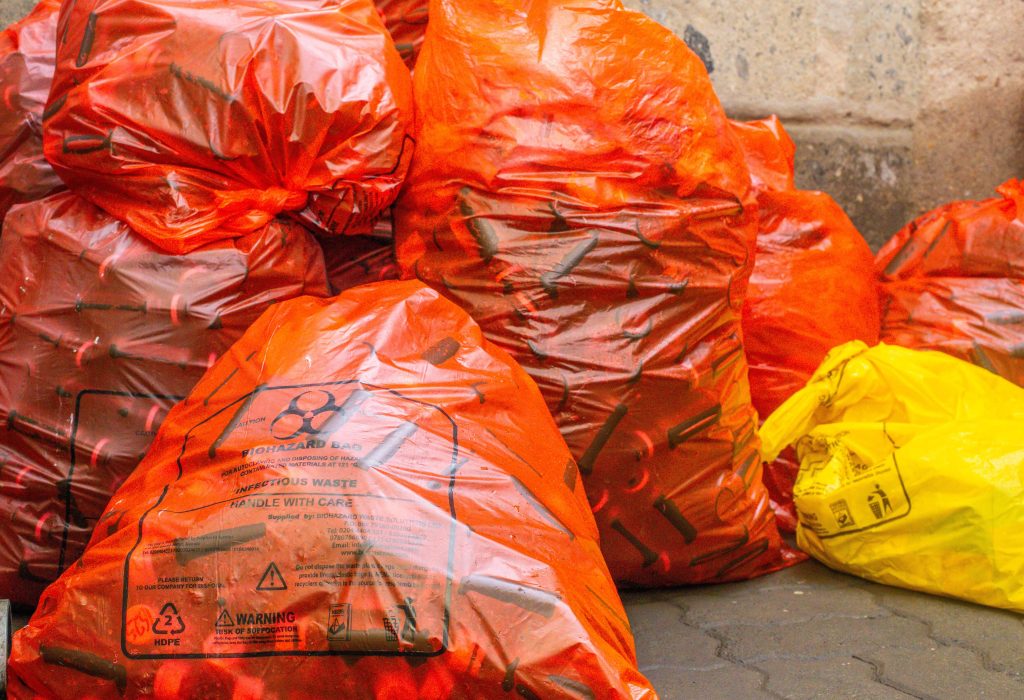
The money was also used to cover key populations who were at risk of getting the virus due to their lifestyles, including sex workers, drug users and men who have sex with men. It funded the provision of lubes in prisons, syringes in drug dens, methadone to help those on recovery. It was also used to shift policy on sigmatization and criminalisation of these populaions which inevitably felt as coercive compliance on identity politics and western norms.
With the American shift to Christian Right, cracking down on sexual reproductive actors, including birth control, sex and diversity rights, the money has been withdrawn drastically.
The government is suddenly facing enlightened and empowered communities demanding that it takes up the duty of care for PLHIV. The government is struggling to secure stable supply chains, integrate the services into general healthcare and even get counties to take up some of the roles like taking care of the drug users within their jurisdictions.
“For me the government has to wake up. At the end of the day, we will have to turn to it. But from what I am seeing, there is nothing, no one is really thinking of what this shift back to general healthcare means for us,” said a PLHIV from Ahero.
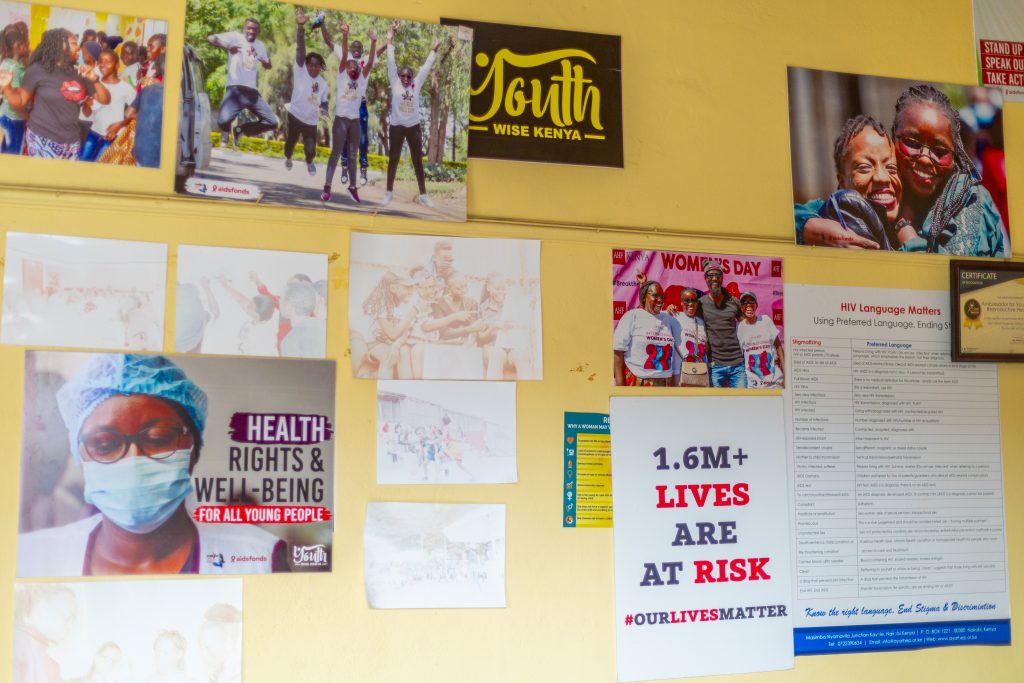
“We have not yet seen the impact of the American work stop order; that will come next year when we start to see the numbers of people we have lost to care, the preventable deaths, the new infections,” said Jerop Limo, a 26-year-old Kenyan HIV activist and the Executive Director of the Ambassador for Youth and Adolescent Reproductive Health Program (AYARHEP)

Discover more from Orals East Africa
Subscribe to get the latest posts sent to your email.