 Otiato Guguyu
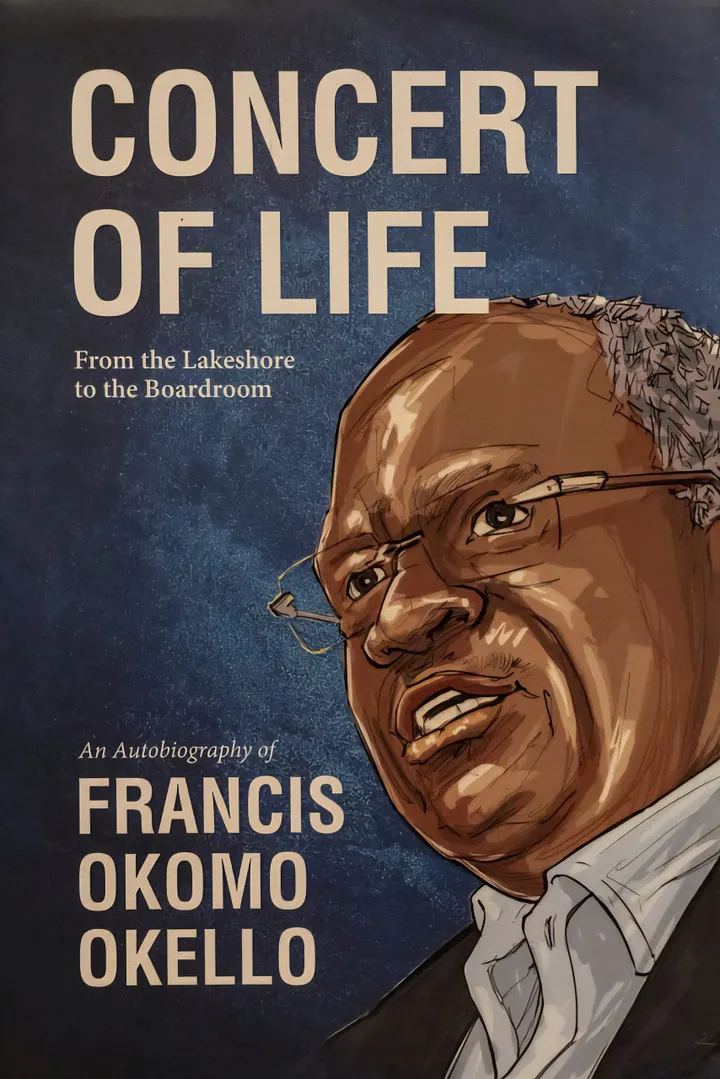
If any writer has grasped Shakespeare’s philosophy of life as a theatre with everyone having a role to play, then it is Francis Okomo Okello in his autobiography, The Concert of Life. His theatre is indeed a great concert, where he performed to the gallery at the highest levels and standards and bowed out with ululations, flowers, and a well-deserved standing ovation.
It is by no stretch that Mr Okello is one of Kenya’s most industrious business leaders who has featured prominently in the boardrooms of leading blue-chip firms, including Barclays Bank, DTB Bank, Nation Media Group (NMG), Tourism Promotion Services Kenya (Serena), Industrial Promotions Services Kenya (IPSK) and Agha Khan University.
He has overseen some of the biggest deals in the region that have brought power, infrastructure, tourism, and financial investments into the country and humbly shares the nuggets of his journey here.
The great Kadimo chiefs of Yimbo would be proud of what their son had achieved in his time even as their story unfolds and stretches from Nam Lolwe all the way to the Czech Republic and America, and continues to sprout.
Or would they?

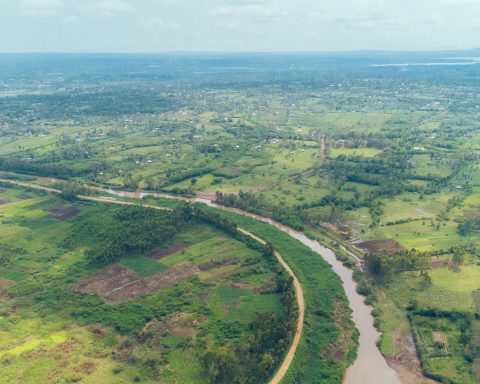
This great personal account opens with a stark confession of an original sin, which is my favourite part. Sounding almost like a dirge, the entry into the book pays homage to Nam Lolwe, the great waters of our fathers. And then he turns away from this wonder and suggests that it did not seduce him enough. Bringing to mind the question: Does God seduce man?
At the beginning of time, men walked away from these shores and traveled all the way to America and China, and have spent the 300,000 years trying to return. First seeking Eden, minerals, and soon, clean, old, fresh water.
The only men who made it back are the Nilotic tribes, who dared to follow the Nile all the way back to its source, and after years of conflict and displacements, eventually occupied Got Ramogi and the northeastern shores of Inyanza, which they renamed Nam Lolwe.
History would repeat itself and Mr Okomo would turn his back on these waters, instead drawn to the boardroom serving His Highness the Agha Khan in different capacities at his different subsidiaries, including DTB, IPSK, TPS Kenya, Farmers’ Choice, and NMG, where I also did my stint as a journalist. even.
Read also: Mashemeji; the peace marriages of Nyanza Royalty
Only the arc of time would return him hundreds of miles back to the waters to help His Highness get access to hydropower contracts at Bujagali Falls, where he negotiated legal documents for moving ancient Budhaghali spirits from falls by the Busoga King and at Ruzizi River from Lake Kivu.
I belabor this point because it forms a strong part of his book in which he tries to show that in Kenya there is a tendency to perceive leadership as only political, overlooking the great contribution of great men like him have given to our society.
He is right, Kenya does have a caliber of very sound, level-headed and effective leaders across the country, and the fact that nationalist politicians have hogged the limelight is not a flaw but rather an indication of how our society has been structured.
In his book he battles against the post-colonial narratives by scholar William Ocheing and his views on the legacy of his grandfather, Chief Jairo Okello and Chief Anam Ulwa that sought to justify the shift of legitimacy from traditional royal households to nationalist politicians who were inheriting power from the exiting British colonial crown.
The narrative that has held is the old chiefs had failed and betrayed us, and sold our sons off to Burma to fight British wars as carrier corps, and not the layered political context within which these events occurred. Even more interestingly, I have heard claims that the family matriarch, Riako, may have been the origin of Kariakor, given Luos name places after people, and the place was called Ka-Riako and not from a corruption of carrier corps, historical nuances worth pursuing.
In its place, we had embraced the nationalist politicians who promised to bring development, but more than sixty years later, they have only brought tribalism and narrow elitism. And as the war rages on in Europe, where they have been sending young men to go and work as cleaner corps, they will soon stand accused for the same crimes they used to end the reign of the Chiefs.
If anything, this book reveals that the structure of the African society is more complex than what states assume and that, beneath the confusion of state bureaucracy, old customary order still exists, and which are producing leaders outside the sphere of nationalist politics that can form the basis of alternative societies. If only they could stop turning away from our real interests and serve our people as diligently as they have served other masters.

Discover more from Orals East Africa
Subscribe to get the latest posts sent to your email.