Affordable housing or matchbox cities
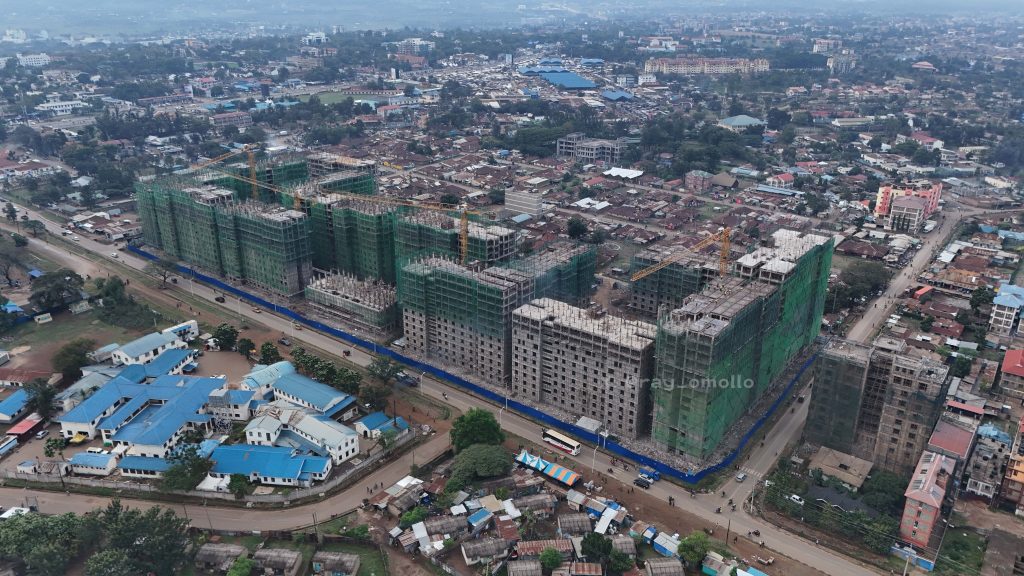
Last evening I was having an evening walk in Kisumu, around that Patel area behind United Mall. Just walking. No big thoughts, no agenda.
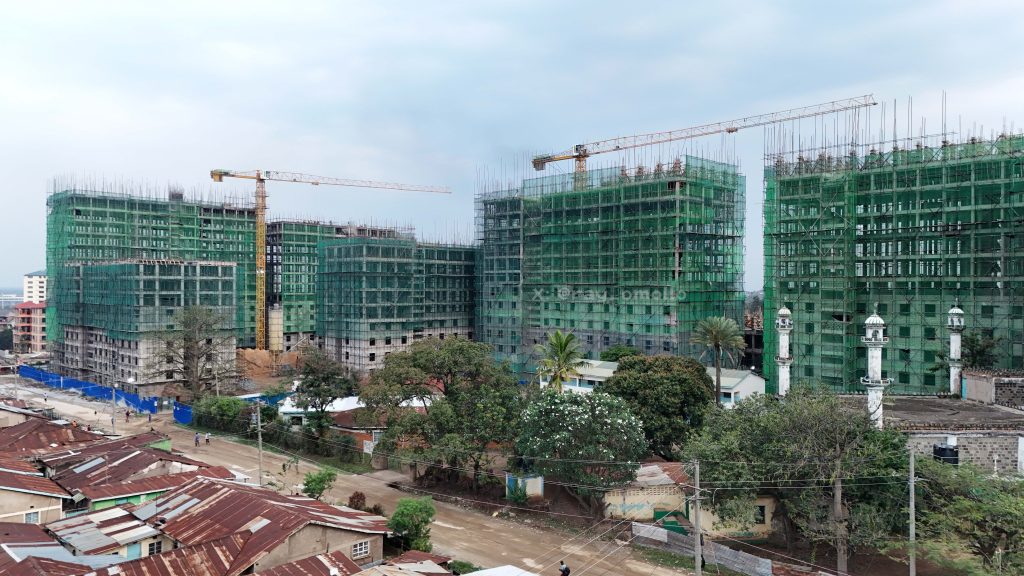
Then I saw the affordable houses under construction. They’re so conspicuous you cannot miss them.
And I don’t know why, but something about them made my heart sink. The rooms look so tiny. I don’t know how the units look from inside. Infact my mind jumped to images of Soweto’s matchbox houses. Surely those affordable houses seem to have very small rooms. The kind of small that feels deliberate. Like space itself is being rationed. The kind of small that feels claustrophobic especially if you imagine being forced to live there.

Read also: Kenya data breach reveals Kes300,000 a night First Lady AirBnB
And immediately, because the mind is strange like that, books came to me.
The Book Thief. The main character and indeed the book thief, Liesel , stealing words because words were the only place left where freedom still lived. Houses were small, yes, but it was the shrinking of thought that did the real damage. Silence becoming survival.
My mind did also jump to George Orwell’s 1984. One of the characters , in fact the main one, Winston Smith, in those boxed rooms, is watched even in private. He learns that the real crime wasn’t rebellion rather it was to think for yourself. You could exist, as long as your mind stayed obedient.
Walking on that Patel Road I kept wondering why this was what my brain pulled up.
There is something political about space. A house is never just a house. It teaches you how much of yourself you’re allowed to have. How loudly you can exist. How much thinking is too much.
And then, because thoughts never travel alone, my mind drifted to education. To the CBC. To children being trained to pass exams, and not to question ideas. To memorise, not to imagine. To obey systems rather than interrogate them.
What happens when you raise children who live in small rooms and are taught small thinking?
They become very good at adjusting. Very good at fitting in. Very bad at asking why.
I’m not saying we are living in Nazi Germany. History deserves more respect than careless comparisons. But history doesn’t repeat itself dramatically. It creeps. It whispers. It arrives dressed as policy, planning, efficiency, affordability.
Those books were never exaggerations. They were warnings. About how control doesn’t always come violently. Sometimes it comes quietly, disguised as progress.And here I have to remind how colonialism came to Africa. Stealthily. First through religion, education and medicine until it was firmly entrenched. Usually it’s coordinated strategies all at once. Do we know what else is in store for us? Do we know what other fronts “they” have?
I continued with my walk, but my heart was forlorn. That feeling stayed. That unease. That sense that something is slightly off, even if we don’t yet have the language for it.
But what do I know?
Maybe this is development.
Maybe this is the Singapore we are being promised.
Maybe this; cramped rooms, obedient minds, and no space to ask uncomfortable questions ; is the roadmap.tworks and consortia of locals (CBOs and local NGOs) to increase impact. Even as we move on, we cannot downplay the impact of the withdrawal of the fund.